

Humans are thought to have kept cats as pets for over 10,000 years, dating back to the first domesticated felines that were evolved from African wildcats.
They are now firmly established as the world’s second most popular pet, just behind dogs when it comes to the animals we welcome in to our homes - and our hearts.
There are curently more than 10 million feline friends in households across Britain, with the number continuing to rise.
There are a huge range of types of cat to choose from - according to The International Cat Association there are 73 ‘standardised breeds’, along with a bewildering number of crosses, including the ever-popular ‘Moggy’ (a cat with no pedigree or known lineage).
One thing to take into account is that different breeds of pet cat tend to be predisposed to having very different typical characteristics (although all cats are individuals so can prove to be exceptions to the rule).
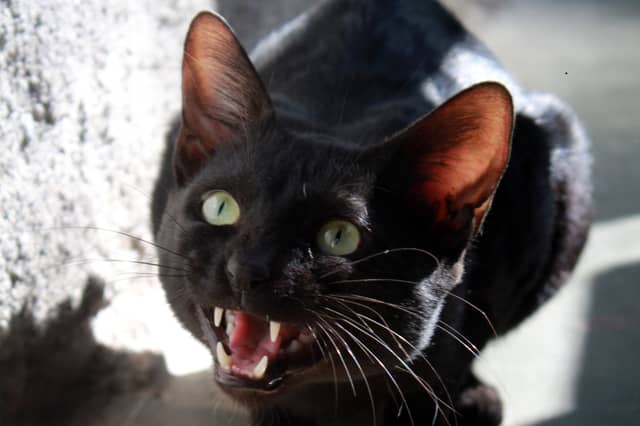
Cats used to be wild animals who required to display aggression in order to survive and, while some breeds are now so domesticated as to be almost completely placid, others are closer to their hunting forebears.
Meanwhile other cats are prone to jealousy or being territorial which can also lead to similarly aggressive behaviour.
Here are the 11 most aggressive breeds of pet cat.
Make sure you don't miss a moment of breaking news from across Scotland by signing up to our free newsletter here.
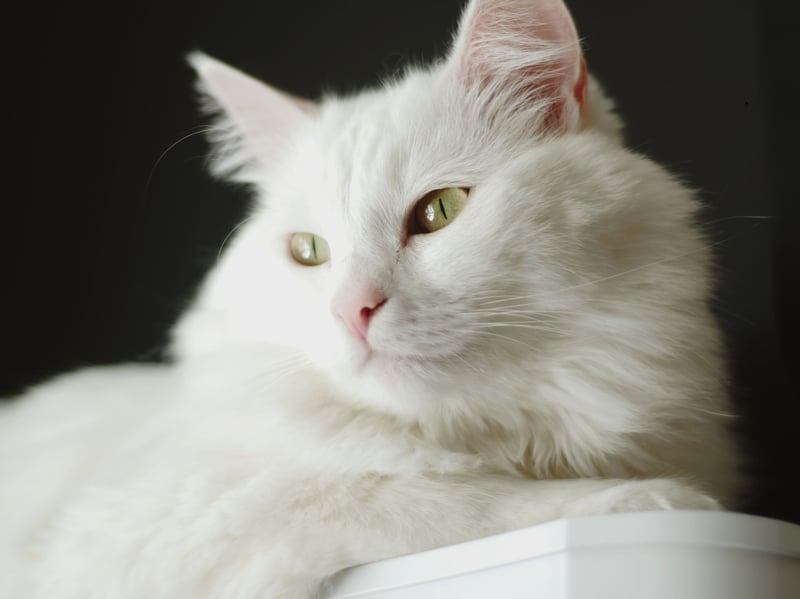
9. Turkish Angora
Turkish Angoras are another breed who sometimes just like being left alone rather than being cajouled into cuddles. Unwanted handling may lead to use of their teeth and claws to put you right. | Canva/Getty Images
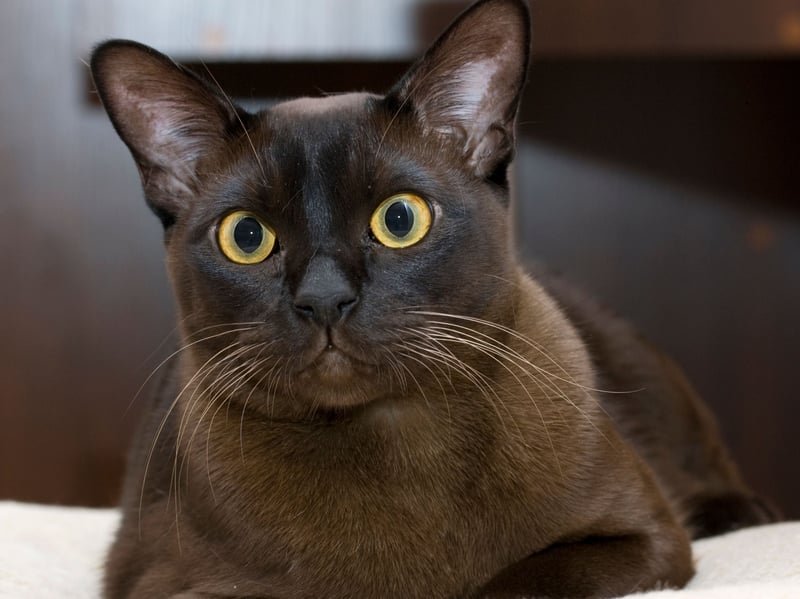
10. Burmese
Burmese cats can exhibit aggressive behaviour when overexcited, making playtime occasionally rougher than is comfortable. They also hate being ignored and need to be managed by displaying clear boundaries. | Canva/Getty Images
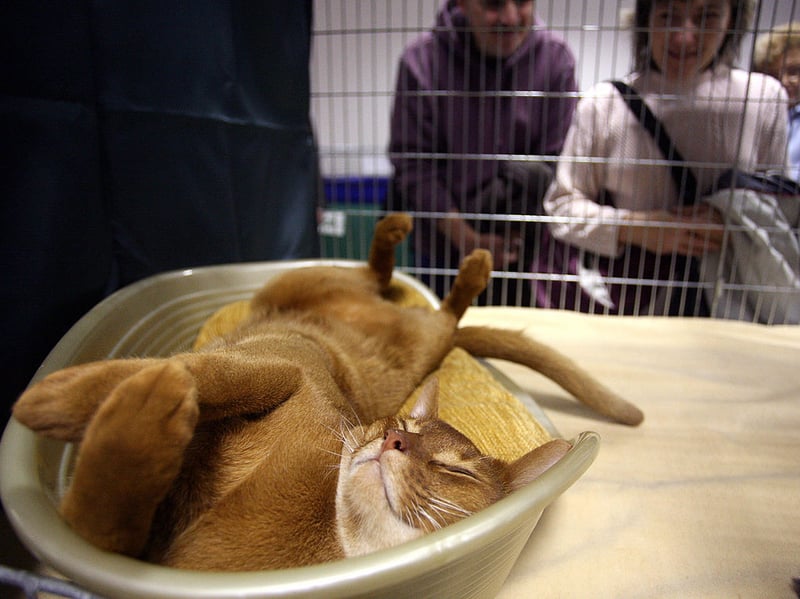
11. Abyssinian
Abyssinians are adventurous, energetic, and constantly exploring their surroundings. Their enthusiasm can become rough during play, particularly when bored. They may nip, pounce, or scratch while pursuing stimulation, although genuine aggression is not characteristic of every individual. | AFP via Getty Images