


If you’ve been thinking about getting a new dog then you’re not alone – Kennel Club figures show that the number of people looking for puppies surged in the last couple of years and around one-in-three UK households now own at least one four-legged friend.
But with 221 different breeds of pedigree dog to choose from, there’s plenty of thinking to do before you select your family’s latest four-legged addition – whether you want a large dog, family-friendly dog, or crossbreed.
There’s even academic guidance to seek out, with Psychologist Stanley Coren’s book ‘The Intelligence of Dogs’ ranking breeds by instincts, obedience, and the ability to adapt.
Spaniels are a type of dog that are hugely popular in the UK, perfect for people who have active lifestyles (they need plenty of exercise).
The UK Kennel Club recognises a dozen breeds of these canine characters – issuing Kennel Club Pedigree Certificates to pups that make the grade.
Here are all 12 – and how they got their names.
For all the latest dog news, pictures, advice and information, join our Scotsdog Facebook group here
Read more:
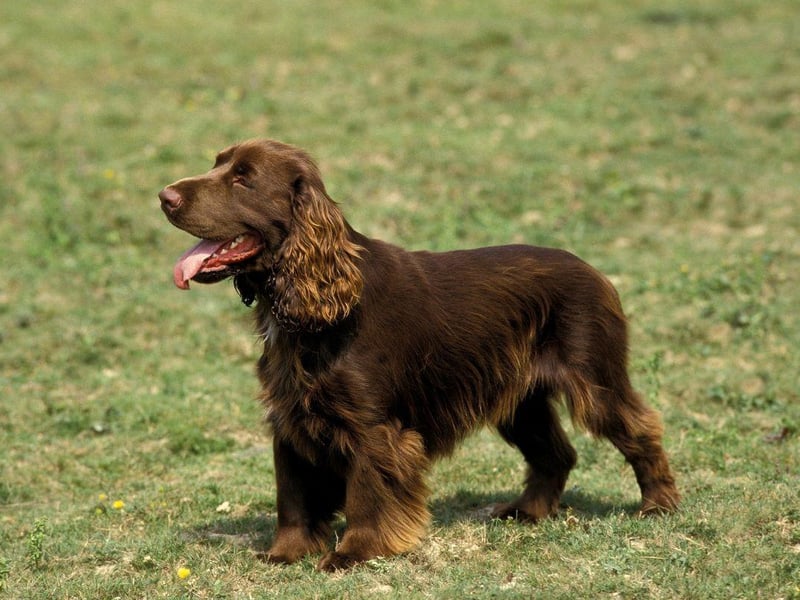
5. Field Spaniel
A rare breed, even in the UK where they were developed, the Field Spaniel was originally bred to be an all-black show dog in the late 19th century. Their name comes from their usefulness in 'field work' - or hunting on land. Photo: Canva/Getty Images
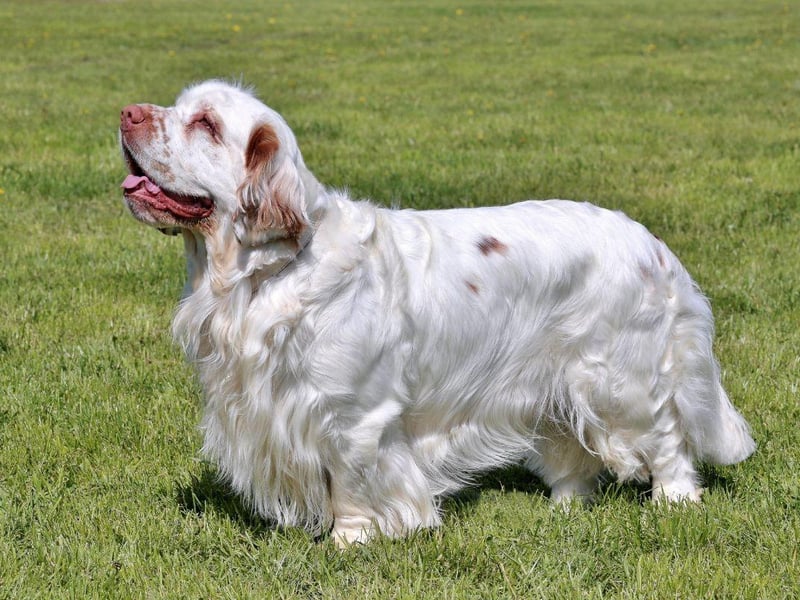
6. Clumber Spaniel
Thought to date back to the early 19th century, and made popular through links with British Royalty, the Clumber Spaniel is named after Clumber Park, in Nottinghamshire, where the breed was first developed. In 1884 they were one of the first 10 breeds of dog recognised by the American Kennel Club. Photo: Canva/Getty Images
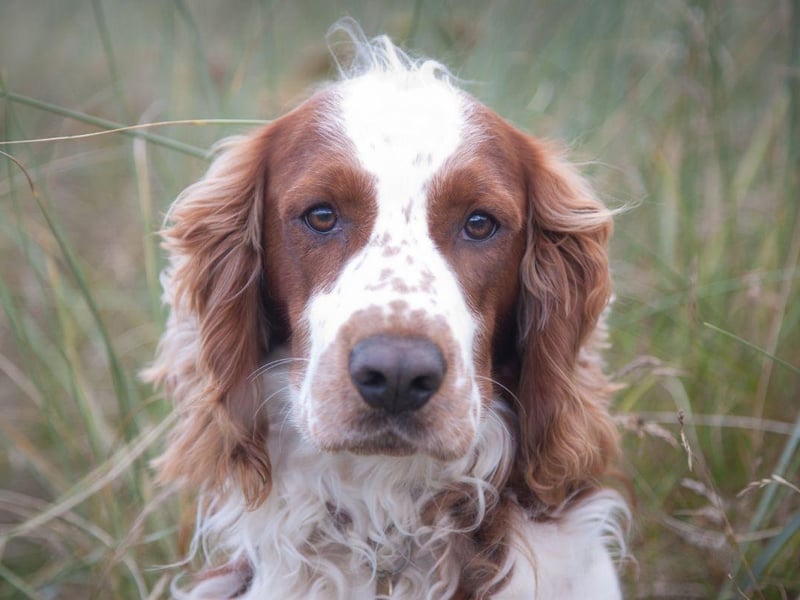
7. Welsh Springer Spaniel
Recognition as a distinct breed by the Kennel Club in 1902, Welsh Springer Spaniels are closely related to their Englsih cousins. The Weslh variety is generally smaller, with a distinctive red and white coat. Photo: Canva/Getty Images
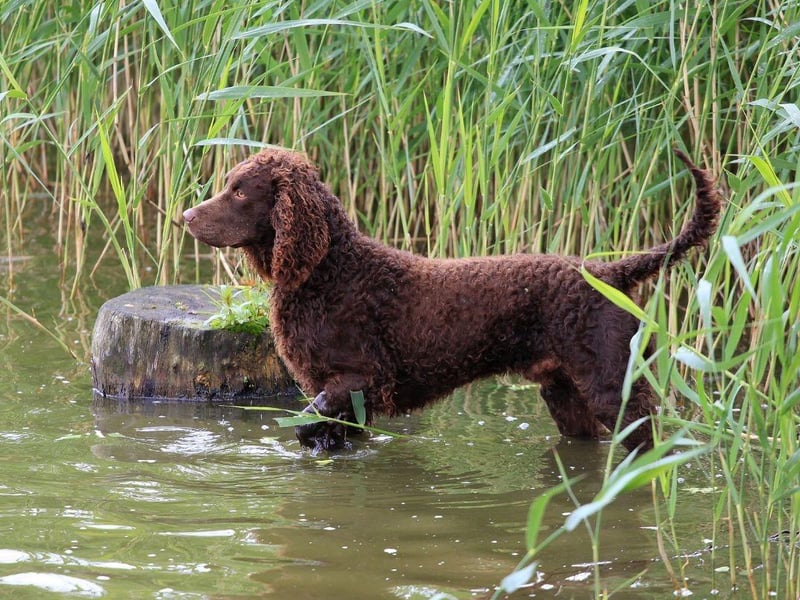
8. American Water Spaniel
The American Water Spaniel was developed in the US Sate of Wisconsin in the 19th century from a number of other spaniel breeds. It was bred by hunters to work on both land and water - including icy cold rivers - which being small enough to be easy to transport. Photo: Canva/Getty Images