


Scottish place names are fascinating to say the least, from Ecclefechan in the lowlands to Achluachrach in the Highlands, these locations are difficult to pronounce even for locals, but do you know why?
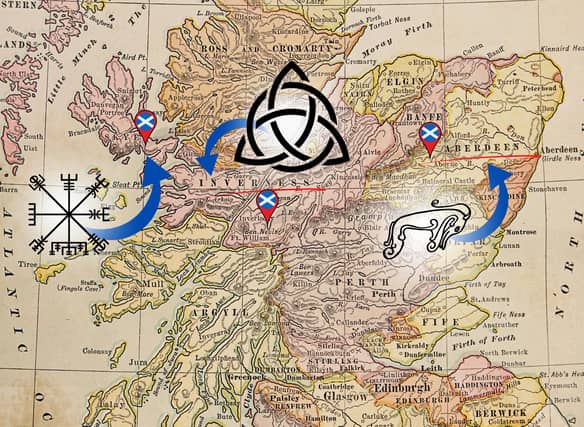
Aside from Scottish Gaelic and the Scots tongue, Scotland’s history has been decorated with a variety of Celtic and Nordic languages (like Pictish and Old Norse) that have given birth to many intriguing locations with uniquely meaningful names.
To discover the heritage of these names there are clues you can look out for e.g., if you’ve travelled through Scotland and noticed signs mentioning Inver (like Inverness) then you’ve likely encountered a place name that is Gaelic in origin according to BBC Education Scotland, but what about the other languages?
Here are 13 fascinating Scottish place names, what they mean and how to determine if they’re of Gaelic, Pictish or Nordic descent.
5. Stranraer
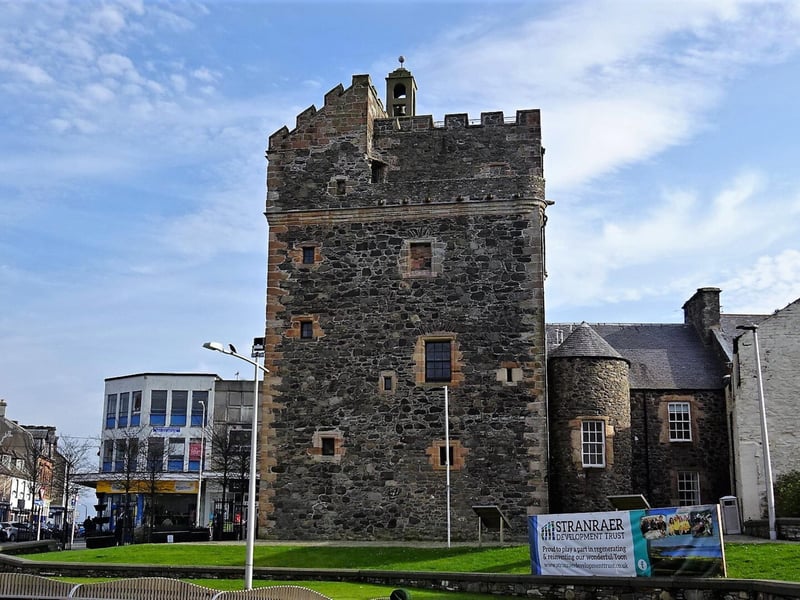
Stranraer or “The Toon” is a town which has long had a ferry port and is considered the gateway to the Rhinns of Galloway. The Scottish Gaelic behind the name is generally thought to originate from “An t-Sròn Reamhar” which means “The Fat Nose”. Photo: via WikiCommons
6. Aberdeen (Pictish)
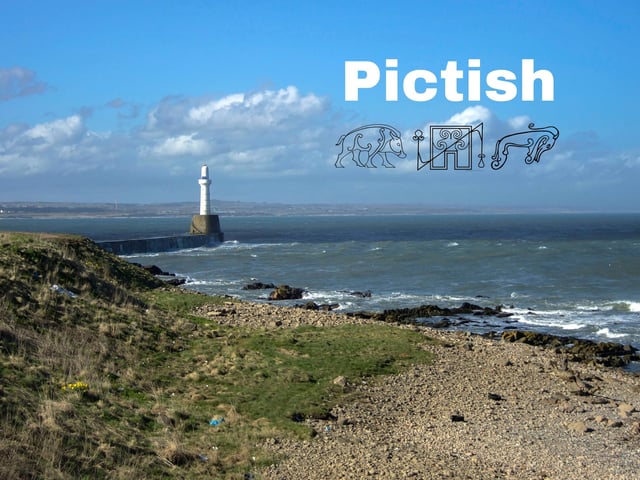
As the Pictish language began to decline in Scotland there is historical evidence to suggest that Gaelic speakers settled in the area but retained hallmarks of the previous tongue. ‘Aber’ is said to mean ‘river mouth’ and be Pictish in origin, referring to how the River Don flows through Aberdeenshire towards the North Sea at Aberdeen. Photo: iweta0077 via Canva Pro
7. Pitlochry
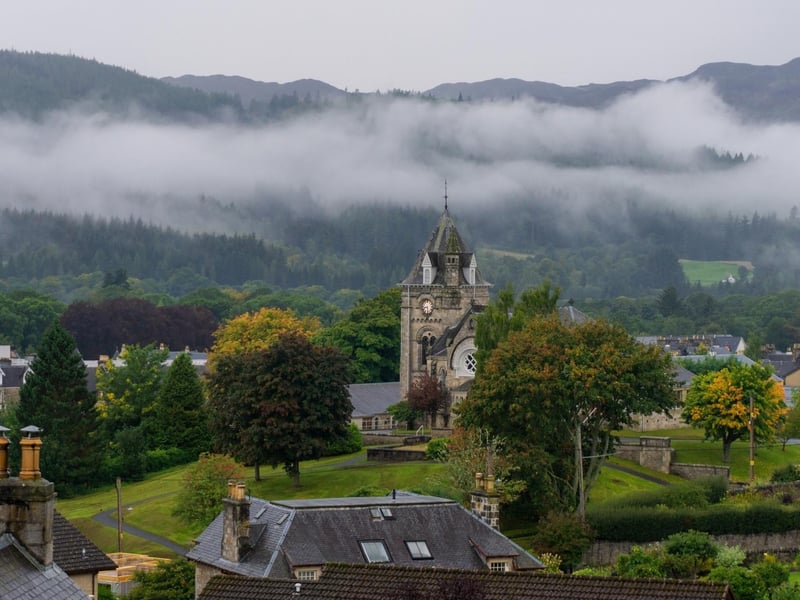
The name of this Perthshire burgh is ‘Pit Cloich Aire’ in Scottish Gaelic which means ‘place of the Sentinel stone’, however the location was originally a Pictish settlement and the name reflects this history. The term ‘pit’ means a ‘portion’ or ‘share’ and it can be found in other Scottish places like Pittenweem, Pitcalman and Pitcarmick Photo: 13threephotography via Canva Pro
8. Kincardine
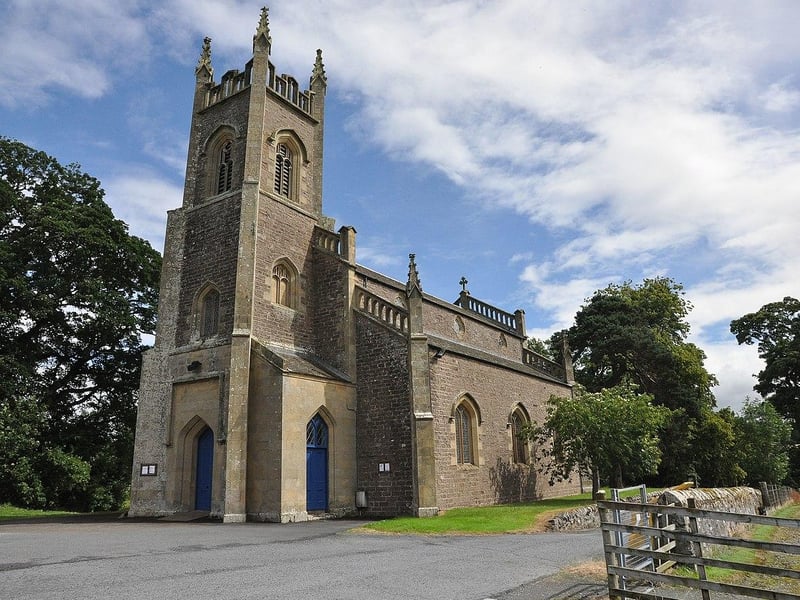
Kincardine’s name is thought to be a combination of the Scottish Gaelic word ‘cenn’ meaning ‘head’ and the Pictish word ‘carden’ which refers to a ‘thicket’ or even an ‘enclosure’. This Pictish etymology has also been observed at Urquhart in Scotland which was known as ‘Airdchartdan’ in the 7th century. Photo: via WikiCommons