


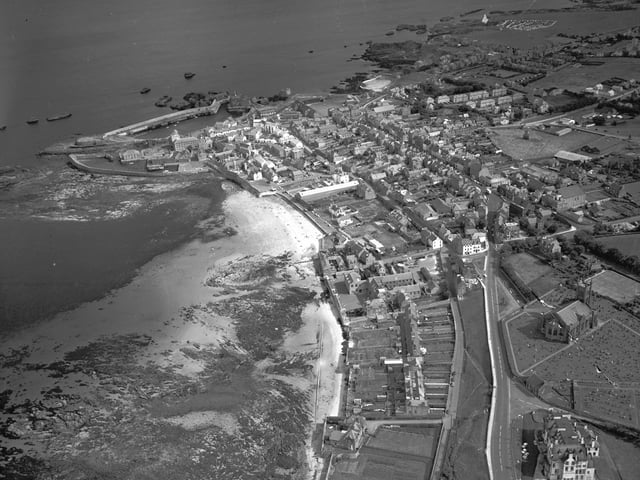
People have lived in the Dunbar area since as early as 540 BC, with excavations in 2003 revealing signs of a late Bronze Age settlement.
Later it was the site of an Iron Age fort, where Castle Park is today, which perhaps led to it receiving its name, which means ‘summit fort’
The first written mention of Dunbar, or Dynbaer, was in around 680 AD, when it was part of Northumberland, and it didn't become part of Scotland until Lothian was ceded to Malcolm II after the battle of Carham in 1018.
The town became a royal burgh in 1370 and slowly grew in size in the shadow of the great Castle of the Earls, which was regularly fought over by the Scottish and English armies – as was Dunbar.
After surviving several sieges, the castle was ruined in 1568 but the town flourished as a centre for agriculture and fishing, even as turbulent times raged around it during the 17th and early 18th centuries.
By the late 1800s Dunbar had gained a reputation as seaside holiday and golfing destination, welcoming tourists to the "bright and breezy burgh".
In more recent times the town has become home to many people who work in Edinburgh, which is just 30 miles away, leading to the population soaring from around 3,500 in the 1960s to nearly 10,000 people today – with more houses being built every year.
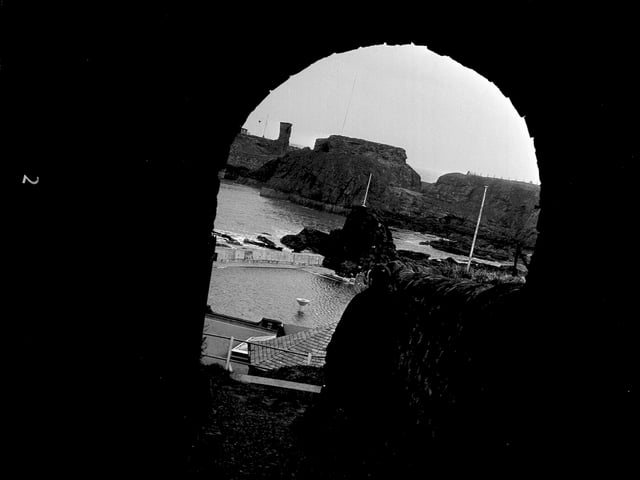
Here are 26 pictures to take you back to Dunbar in the glory days of the 1960s.
Make sure you don't miss a moment of breaking news from across Scotland by signing up to our free newsletter here.
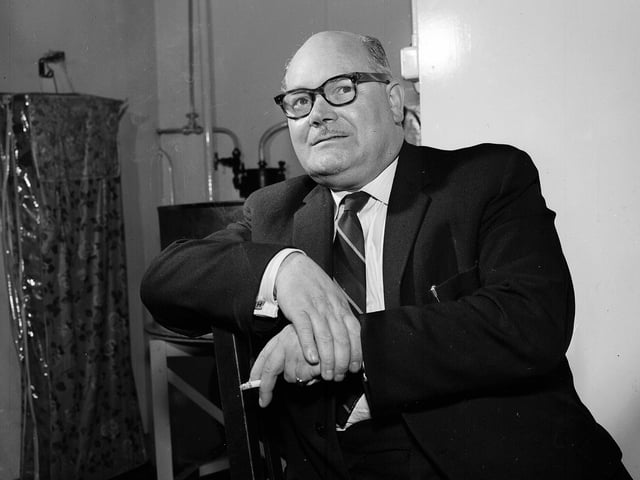
18. Provost
A portrait of Lord Provost Harry More of Dunbar taken in 1963. | National World
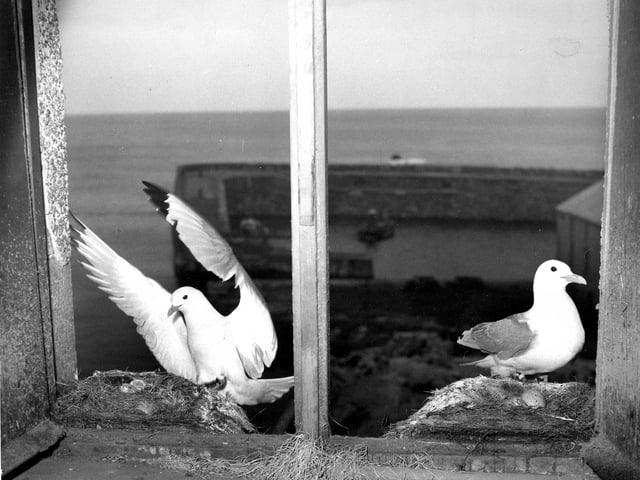
20. For the birds
Nesting kittiwake gulls on the windows of the Granary building at Dunbar Harbour in June 1960. | National World