18 Scottish inventions that shaped the modern world
By Sarah Wilson
Published 28th Feb 2019, 14:03 BST
Updated 16th Jul 2019, 15:35 BST
The telephone was just one significant contribution Scottish inventors made to the modern world
Without Scottish inventors, you might still be undergoing surgery without anaesthetic, using smoke signals to communicate or struggling to keep food chilled.
These are the 18 Scottish inventions and innovations that shaped the world we know today.
Kirkpatrick Macmillan from Dumfriesshire is often credited as the inventor of the first pedal bicycle in 1839. He never patented the idea and Gavin Dalzell of Lesmahagow copied it in 1846 - though Macmillian was unbothered.
Though the Renfrewshire-born James Watt didn't invent the first steam engine, his 1776 improvement was fundamental to the changes brought by the Industrial Revolution in both his native Great Britain and the rest of the world.
Perhaps one of Scotland's most famous inventors, Alexander Graham Bell is best known for producing the world's first telephone in 1876, at just 29 years old .
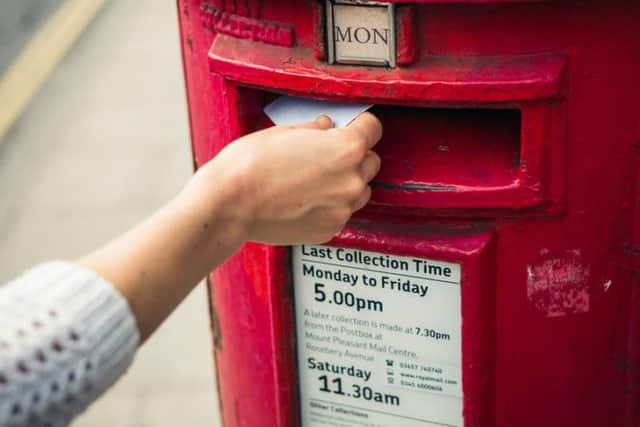
You've got Dundee's James Chalmers to thank every time you stick a postage stamp onto a letter. He was a postal reform enthusiast and his son claimed that Chalmers came up with the idea for an adhesive postal stamp in 1837.
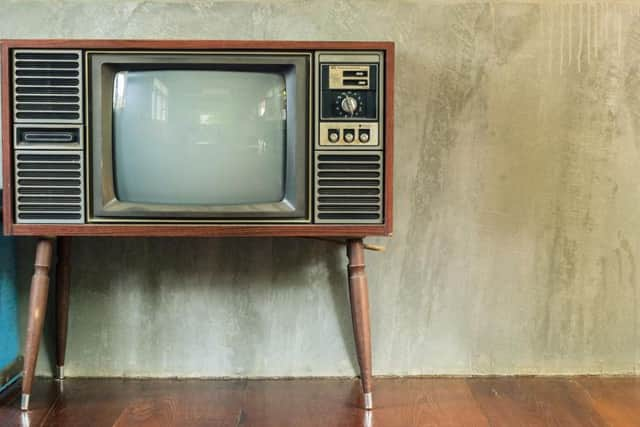
John Logie Baird was born in Helensburgh and was the first person to build a working television. By 1924 he'd managed to transmit a flickering image a few feet and in 1926 he gave a demonstration before 50 scientists in London.
We have John Reith to thank for the very concept of broadcasting as a way of educating the masses. He established the tradition of independent public service broadcasting and was one of the BBC's first founders.
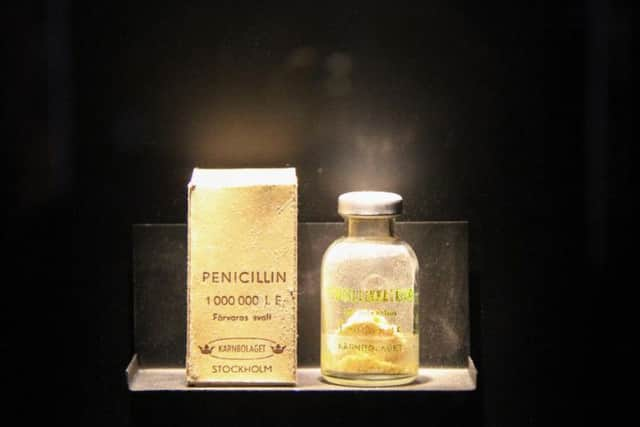
An invention that has saved thousands of lives, penicillin was discovered by Sir Alexander Fleming in 1928, a scientist born in Darvel, East Ayrshire.
Scots Frank Barnwell and his brother Harold built a total of three aircraft in the years 1908-10. Frank laid out some principals of aircraft design in a paper which then became fundamental to all future aircraft design.