
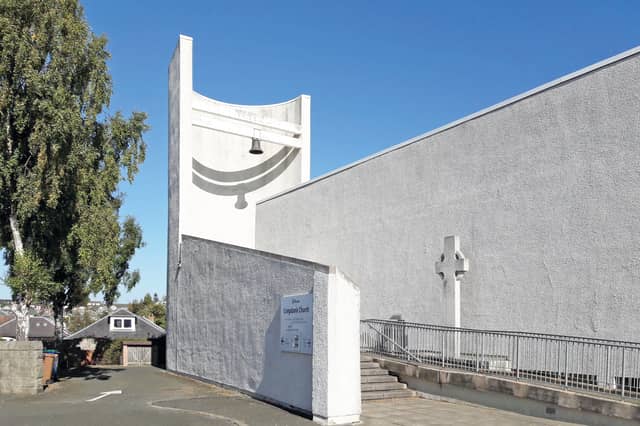

Edinburgh’s buildings and skylines are world famous and instantly recognisable as the Scottish capital’s crowning glory.
But shift your eyes and move off the beaten track a little, and there are some incredible buildings that define Edinburgh’s past and present and illustrate a city in the round.
Architecture critic Robin Ward has paced the streets that connect all corners of the capital to produce his latest work, The Pocket Guide to Edinburgh’s Best Buildings.
While a concise guide, the publication reaches far and wide to illustrate a city’s architectural merit and the places which have both stayed the same and changed as Edinburgh too evolved as its military and maritime history shifted along with its political and civic role.
Traces of the city’s industry and how places of work became new homes - and how new homes once protected the city’s workers - is also beautifully documented. Places of worship - old and new - are illuminated too.
After reading - and walking the streets Mr Ward did - someone might just see Edinburgh in a lovely, deeper light.
-The Pocket Guide to Edinburgh’s Best Buildings by Robin Ward in published by Birlinn and available now.
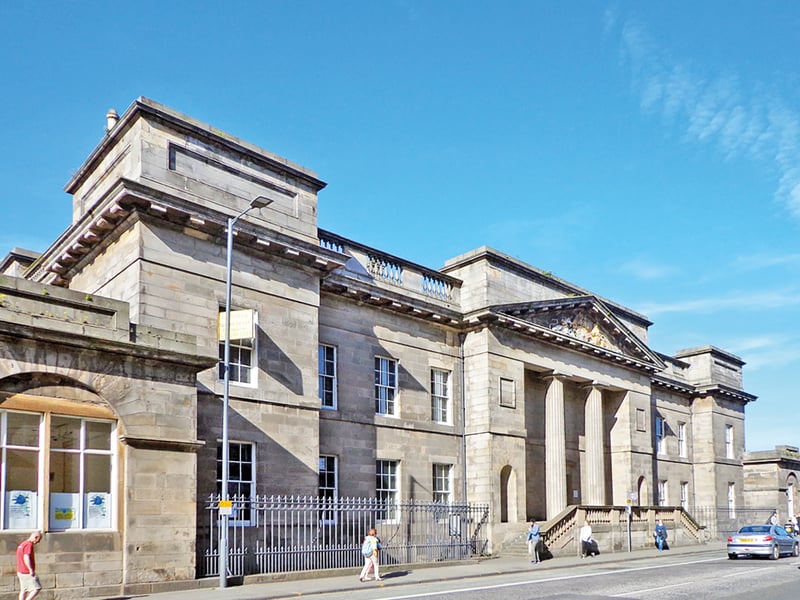
5. Leith Custom House, Commercial Street
Leith was Scotland’s premier port until it was eclipsed by Glasgow, with this mighty Greek Revival customs house befitting of its status. It was here that captains would declare their cargoes and pay duties with the operation's royal authority stamped with lion and unicorn heraldry in the pediment above the entranceway. Vacated in 1980, the building was bought by the City in 2015. Since 2019 the Scottish Historic Buildings Trust has been working on its conservation and future use for the community, Robin Ward wrote. | Robin Ward Photo: Robin Ward
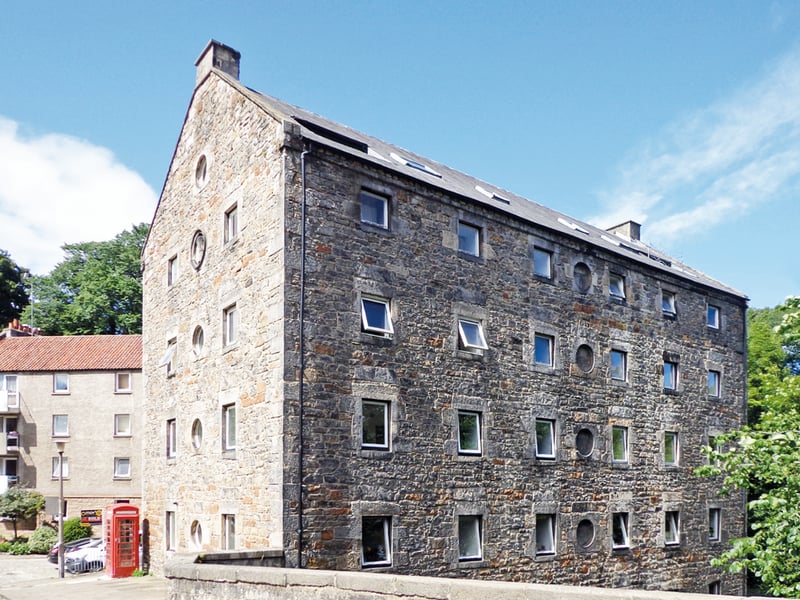
6. West Mill, 24 Dean Path, Dean Village
This is the only mill remaining of 11 once operated along the Water of Leith by The Incorporation of Baxters (bakers), one of the city’s trades guilds. On the gable, the incorporation's wheat sheaf symbol can be seen and above the door is an eroded panel decorated with bakers’ utensils, a sheaf of corn, cherubs and an inscription: ‘God bless the Baxters of Edinburgh who built this House 1675.’ It was converted into flats in the 1970s. | Robin Ward
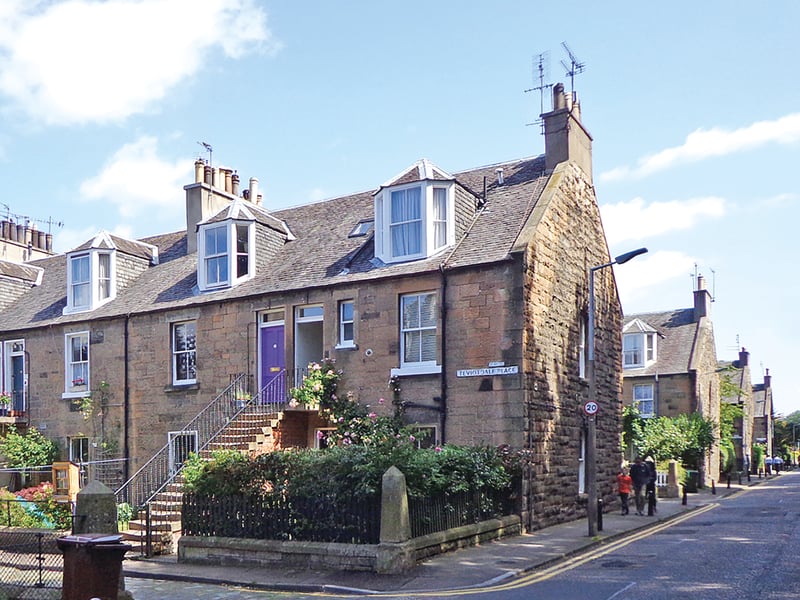
7. Stockbridge Colonies, Glenogle Road
In 1861, seven enterprising stonemasons founded the Edinburgh Co-operative Building Company to provide affordable housing and avoid exploitation by landlords. Stockbridge Colonies, originally called Glenogle Park, was the first of several projects devised by the co-op, all of which survive. Members of the co-op were artisans and panels on the gable ends here show the tools of their trade. | Robin Ward
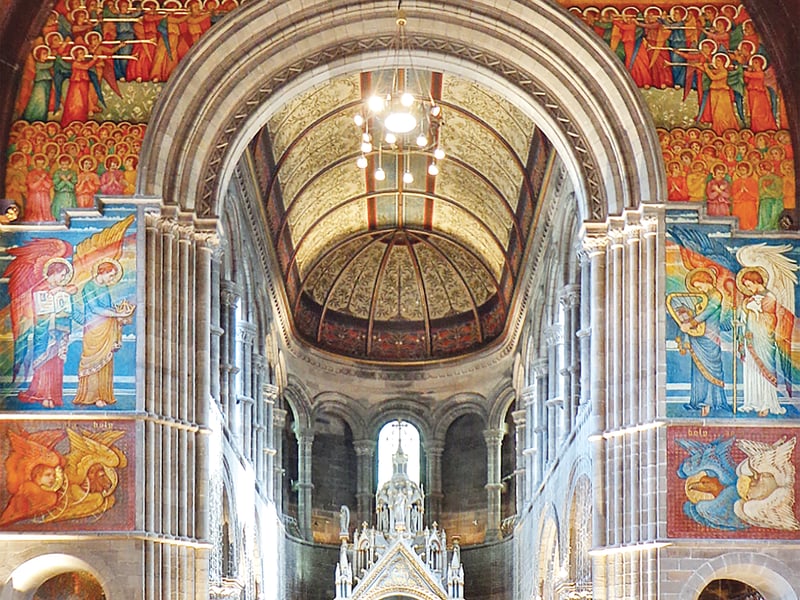
8. Mansfield-Traquair Centre, 15 Mansfield Place
Known as ‘Edinburgh’s Sistine Chapel’, the interior was decorated by Arts and Crafts artist Phoebe Traquair following a commission by the Catholic Apostolic Church whose members believed in the Second Coming of Christ. "Nothing outside this Romanesque church designed by Robert Rowand Anderson prepares you for interior, glittering with murals by Phoebe Traquair," Robin Ward wrote. The building is used as an events venue. | Robin Ward