
Scottish women suffering avoidable deaths because doctors do not take them seriously

Four in five women say they are not taken seriously by healthcare professionals - and it is leading to women dying avoidable deaths.
Women in Scotland are suffering avoidable deaths because they are not taken seriously by healthcare professionals, according to a leading charity.
In Scotland, women are 50 per cent more likely than men to receive an initial misdiagnosis after a heart attack. They also face a 20-week wait on average for a heart failure diagnosis compared to just 3.6 weeks for men.
Women are also twice as likely to die from asthma as men. They are also less likely to be offered diagnostic testing within 72 hours of a heart attack and less likely to be prescribed medication to reduce the risk of a second one.
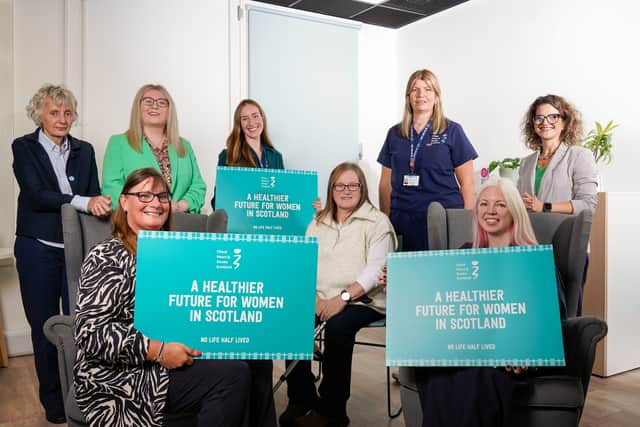

In total, four in five women say they are not listened to or taken seriously by healthcare professionals.
Chest Heart and Stroke Scotland has now launched a three-year women’s health plan setting out actions to improve prevention, diagnosis, treatment and support for women across Scotland.
The charity says there are disparities throughout the healthcare system which are creating barriers for women trying to access treatment and support for chest, heart and stroke conditions.
Amongst those backing the new health plan is Angela Bradley, 56, from Dalkeith. She has survived two strokes and multiple aneurysms while caring for her grandson.
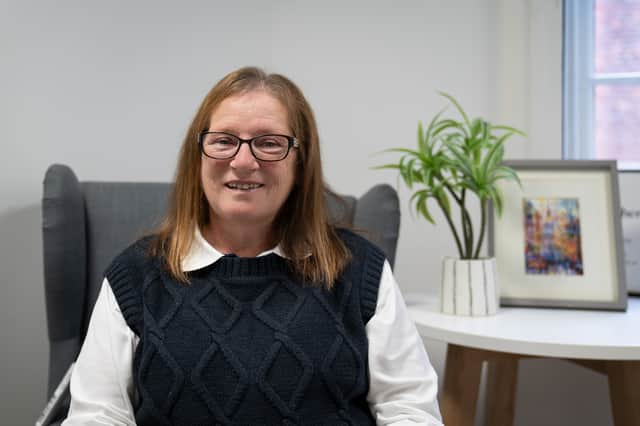
She said: “I kind of struggled through and put my own health on the back burner.
“You must look after yourself so you can look after your family too. I never used to ask for help, but I’ve learned to - it’s so important.”
Chest Heart and Stroke Scotland’s women’s health plan calls for clearer, women-specific health information, campaigns specifically targeted at women, and a dedicated prevention and early detection programme.
It also asks for better training for healthcare professionals on women’s health, expanding post-diagnosis care for women, and campaigning for better funding and the inclusion of women in vital research.
Long-term conditions that predominantly affect women, such as Long Covid and coronary microvascular dysfunction, continue to be under-researched and under-diagnosed.
Jane-Claire Judson, chief executive of Chest Heart and Stroke Scotland, said: “Women have been telling us for years that their symptoms aren’t being taken seriously, and the evidence backs them up.

“When we talk about women’s health, we need to look beyond reproductive and maternal health alone.
“Women experience inequalities across a wide range of conditions, including chest, heart, stroke and Long Covid conditions, and they deserve equitable access to the information, support and care they need.”
UK female life expectancy has fallen from 20th to 26th out of 38 OECD (Organisation for Economic Cooperation and Development) countries in recent years.
Professor Anna Glasier is the Scottish Government’s women’s health champion, and says the “whole-heartedly” supports Chest Heart and Stroke Scotland’s women’s health plan.
She said: “The plan sets out clearly the burden of cardiovascular and respiratory disease among women in Scotland.
“It goes on to highlight the stark reality of the gender inequity - which characterises so much of women’s health - listing the many contributory societal factors.”
She added: “The most eye-catching is the aim to develop a women-specific prevention and early detection programme as well as continuing to provide support for women diagnosed with cardiovascular or respiratory disease.
“Equally important is the commitment to improving information and awareness for women, and supporting education and training for healthcare professionals, ambitions which align closely with the aims of the Scottish Government’s women’s health plan phase two.”
Comments
Want to join the conversation? Please or to comment on this article.