
Tiny community home to guga hunt faces 'most toxic moment in modern era'

An island community is feeling pressurised by urban voices
In one of Britain’s most northern settlements, a tight-knit community of just over a thousand people has found itself at the centre of what one resident described “the most toxic moment for the place in the modern era.’”
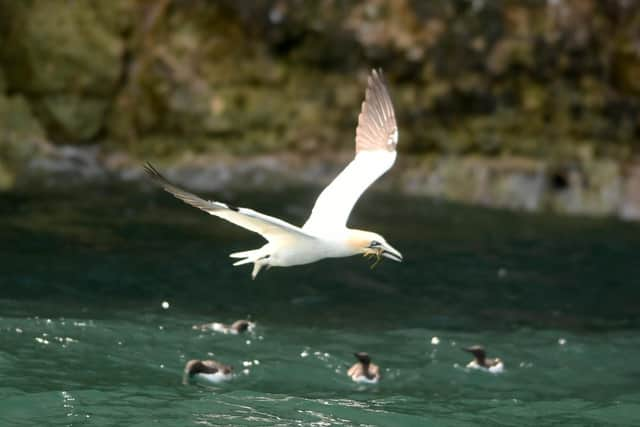
Ness, on Lewis in the Outer Hebrides, is on the international map for being the only place in the UK where a small group of men can legally hunt gannet chicks, known locally as guga.
The centuries-old tradition has been illegal under general UK law since the 1950s, but a specific exception was made for this community under the Wildlife and Countryside Act 1981.
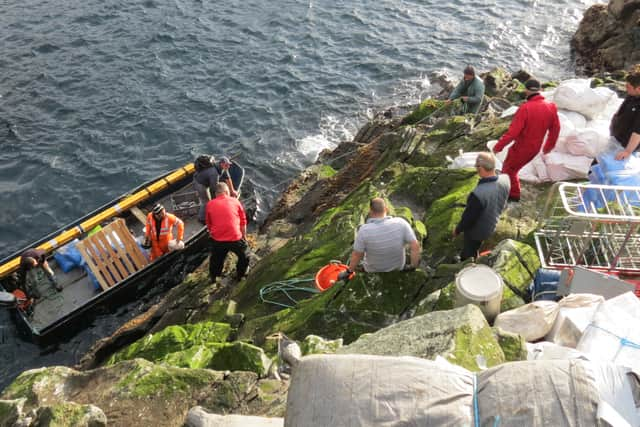

That privilege has been handled with care and pride by the ten men, known as the Men of Ness, who are chosen to continue the ancient practice on Sula Sgeir, a small rocky outcrop 40 miles north of Ness.
However, the annual guga harvest — a strong pillar of the community’s identity — has recently become the subject of a vicious social media war and dramatic rooftop protests following the launch of a petition to ban it, with some threatening to physically interrupt future hunts.
The online furore has prompted NatureScot, the government body that licenses the annual harvest, to alter its decision-making process: future licence applications will now be referred to the agency’s board, a spokesperson said, given “the heightened profile of the harvest.”

Ness local Murdo MacRitchie said the community has been left stunned by the escalation in hostility and aggressive language directed at them online since the petition launch.
“The community’s probably never been as lonely as it is right now,” Mr MacRitchie told The Scotsman.
“We feel completely overwhelmed — drowned out, silenced, shouted at.
“It’s probably one of the most toxic things that’s ever happened to our community in the modern era, given what’s been happening on social media.”

The guga harvest typically takes place each August. Working in pairs, the men take chicks from nests on cliff edges using a long pole fitted with a rope noose, before passing them back to be dispatched immediately with a single blow. Supporters note that, at the time of the harvest, the chicks are roughly the same age as commercially reared chickens when they are slaughtered.
The hazardous ritual has continued almost unbroken for 500 years. It resumed last year after a three-year hiatus due to avian flu, with the usual quota of 2,000 chicks reduced to 500 to allow gannet numbers to recover.
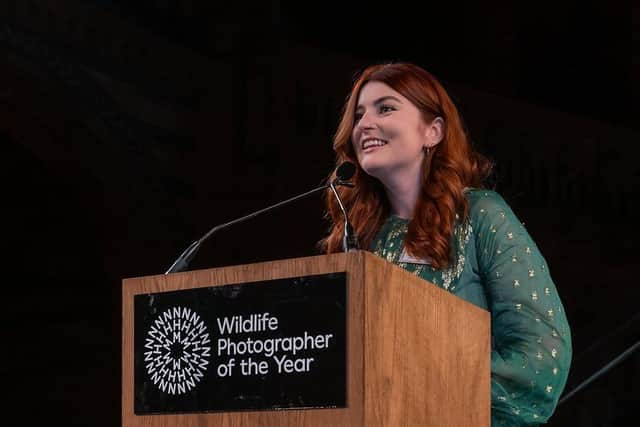
While many on the island welcomed its return, wildlife photographer Rachel Bigsby, from East Sussex, launched the Stop the Guga Hunt petition in November, which has since attracted more than 100,000 signatures. Protests followed outside Holyrood in Edinburgh and at NatureScot’s headquarters in Inverness, where activists were photographed holding placards reading “protect babies from NatureScot”.
This week, emergency services were called after two campaigners climbed onto the NatureScot building to unfurl a banner reading “abolish the guga hunt”.
Despite the scale and visibility of the campaign, activists from groups including Protect the Wild say they are being “silenced”.
Independent campaigner Jamie Moyes has also launched a fundraiser to raise £30,000 for a protest on Sula Sgeir should the hunt proceed this year. He said the money would fund boat access, safety equipment and the ability to “live stream the hunters to the world”.


“At a time when seabird populations are under pressure from avian flu, climate change, and food shortages, this exemption makes no ecological sense,” he said.
“Abolish the guga hunt — we will be on the island come August if the hunt is not banned before then.”
In Ness, however, the prevailing view is very different.
Locals say the sustained online campaign has pushed the Men of Ness into unfamiliar territory — a community long defined by its reserved, modest nature now feeling exposed, misrepresented and, at times, unsafe.
“Pictures of the harvest have been taken and twisted online to make things look dark, almost sinister — completely unrecognisable to us,” Mr MacRitchie said.
“It’s like we’ve been turned into something evil in the eyes of people who’ve never even been here.

“The language used to describe us has been horrendous — being called barbaric and baby bashers. It’s very emotive language and we are just astonished by it.
“The men who carry out the harvest are men with young families… and suddenly they’re asking, ‘should we be worried?’
“There’s a history of things like this escalating. And the intensity now feels different. We didn’t see this coming.”
Petition author Ms Bigsby said she is not affiliated with any anti-guga hunt campaign groups speaking publicly adding: “I do not endorse any abusive or inflammatory commentary directed toward the community of Ness.”
“The foundation of my petition has always been, and remains, centred solely on conservation and animal welfare,” she said.
“It has never been my intention to harm, undermine, or disrespect the people of Ness or their cultural identity.”
Ms Bigsby added that her position is “rooted in present-day context” and pointed to claims from some within the Ness community who say they feel unable to speak out against the hunt.
Award-winning Lewis poet and author Donald S Murray, whose work includes The Guga Hunters of Ness, described the situation as a familiar imbalance between urban and rural livelihoods.
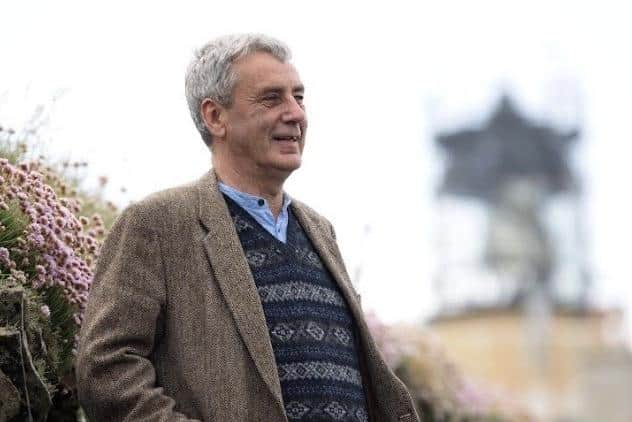
“It’s all an emotional and erratic response, driven largely by people from urban areas who do not know what rural life and life on the edge of the ocean is like,” he said.
Responding to activists claiming that modern food sources, such as Lewis’ only Tesco store, replace the need for the hunt, the author said: “There are animal products in these supermarkets that you can’t guarantee have come from animals that were well-treated.
“This is just shifting responsibility rather than accepting it.
“But also what about rural skills? We can’t have them die out. We might need them again some day.”
For many involved, the annual harvest holds immense sentimental value given how deep-rooted it is in the community.
Mr MacRitchie added: “For many folk here it has been part of their home for generations. I remember myself as a very young boy going into the kitchen on a Saturday when the guga was being cooked. It holds memories for many of us.”
It remains unconfirmed as to whether the harvest will go ahead this year. As with every year, the coming months will see the Men of Ness carry out careful preparations, including monitoring gannet numbers, to ensure the annual hunt is sustainable and environmentally responsible.
Comments
Want to join the conversation? Please or to comment on this article.