
'Overwhelmed' communities push for SNP minister to copy England on 100-megawatt wind farm threshold

Communities are fighting to have more say on the increase in developments where they live
Scotland’s energy secretary will be quizzed on a petition calling for more power to be given to communities when it comes to energy infrastructure planning.
MSPs unanimously voted for Gillian Martin to respond to concerns raised in the document and called for the petition to be debated in the Scottish Parliament.
It comes as energy bosses warn Scotland needs to double its onshore wind capacity in the next five years to meet government targets, with mounting pressure to upgrade the country’s creaking grid network.
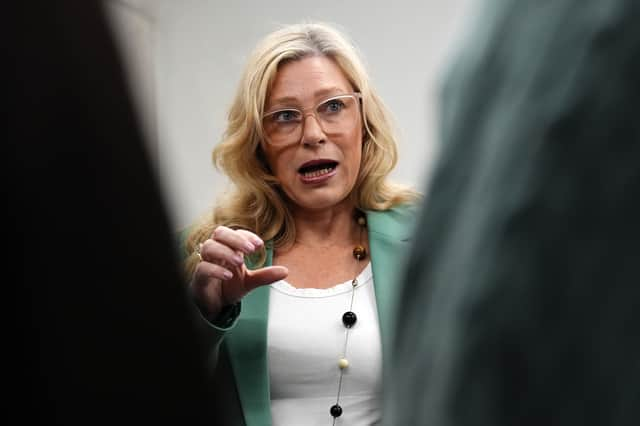

The petition, lodged by campaign group Scotland Against Spin, urges residents impacted by the surge in new energy-related infrastructure in rural areas are given “sufficient, professional help to engage in the planning process” and that an independent advocate is available “to ensure local participants are not bullied and intimidated during public inquiries”.
At a committee meeting on Wednesday, convenor Jackson Carlaw said the petition had drawn “considerable interest” from MSPs queuing up to show their support.
Speaking at the meeting, Scottish Conservative MSP Alexander Burnett said: “As MSP for Aberdeenshire West, I have received more contact for energy infrastructure than any other issue.
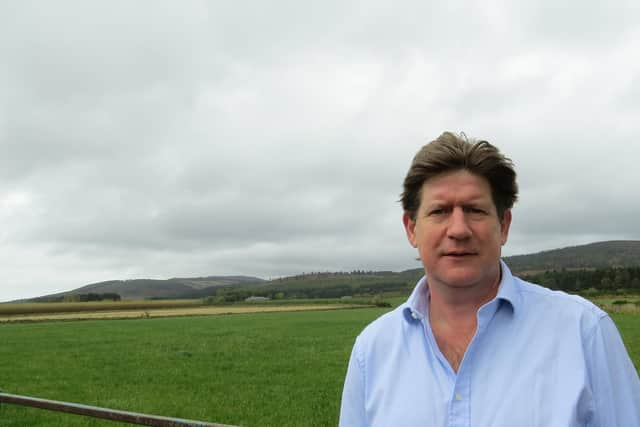
“Rural communities are powerless when large-scale energy projects are proposed.
“This petition seeks to democratise the planning situation by preventing the Energy Consents Unit (ECU) from overruling local decisions, providing professional support to help communities make submissions and appointing an independent advocate to ensure that inquiries are fair.”
Projects over 50MW bypass local authorities and are considered, instead, by the ECU, the Scottish Government department responsible for processing applications for large-scale energy infrastructure.
The petition, which was first lodged in 2021, called for this threshold to be increased to allow more local influence on the decision-making process. The threshold in England is 100MW, with campaigners saying the average capacity of wind farms south of the Border is much less than the average of 120MW in Scotland.
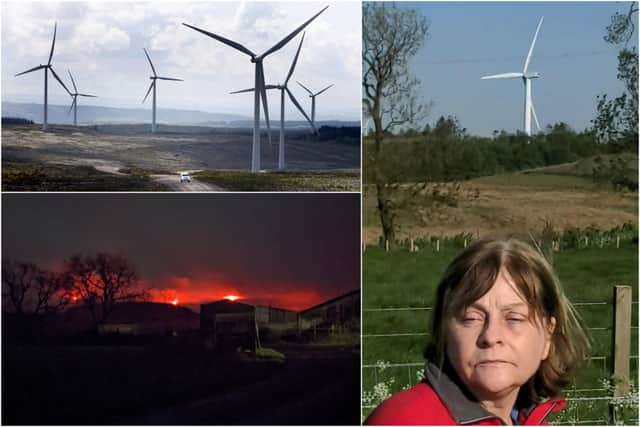
SAS said all respondent categories bar one to a consultation on raising this threshold were in favour.
The committee has also previously recommended the Scottish Government explores this proposal. One year on, however, a decision it yet to be made.
The committee also requested that further research be undertaken into how support could be provided for communities wishing to participate in public inquiries.
Mr Burnett argued the current system “leaves under-resourced rural communities struggling to navigate complex processes with limited support up against well-resourced renewable companies”.
The MSP said: “In England, developers must align with local plans and secure genuine community backing. In Scotland, engagement is often superficial and even successful local opposition is frequently overturned.”
The committee heard since 2023, a number of wind turbines have been approved despite strong, local objections, including ten in Caithness, 26 in Aberdeenshire and 97 in Dumfries and Galloway.
Mr Burnett pointed to the Hill of Hare windfarm, in Aberdeenshire, which went under public inquiry earlier this month, to illustrate concerns with the planning system.
“A community survey back in 2023 shows only 11 per cent of residents supported this proposal and a local group spent three years preparing a gold standard case with over 1,500 objections,” he said.
“All six community councils have resoundingly rejected this proposal as has Aberdeenshire Council on four separate occasions. At every level of elected representation, this project has been opposed and community anger could not be clearer.”
Independent MSP Fergus Ewing, also giving evidence, said he had “no hesitation” calling on Ms Martin to be quizzed on the petition.
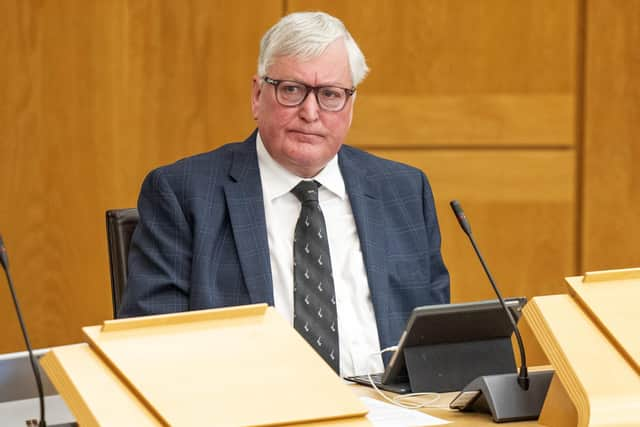
He said evidence from MSPs and people throughout Scotland showed “communities feel swamped and overwhelmed” and that community councils, although statutory consultees, are “ignored and their voices not heard”.
Mr Ewing said Scotland lacked in energy policy, adding: “The question how much wind energy is enough and how much is too much scarcely ever seems to be asked, so we need the energy minister to come here and answer questions.”
The petition has been backed by Scottish Conservative MSPs, including Tim Eagle, Rachael Hamilton, Douglas Lumsden, Tess White, Finlay Carson and Russel Finlay, as well as SNP MSP Emma Harper.
Two conventions hosting some 300 people representing up to 60 different community councils across the Highlands held earlier this year called for a moratorium on any future renewable energy-related projects until the planning system was improved.
Ms Martin, however, ruled out the possibility to pause such developments, saying refusing to receive applications under section 36 and 37 of the Electricity Act would set the Government up for legal challenges by the industry.
It comes as residents in Angus claim to have been snubbed by Scottish and Southern Electricity Networks (SSEN), the company leading the national grid upgrade, despite investing in an alternative route for the 400kv powerline.
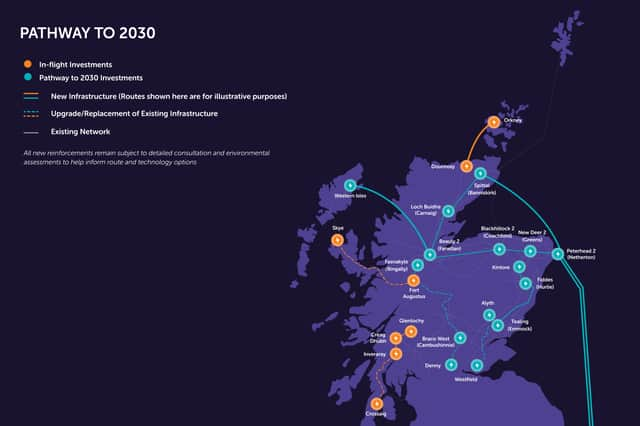
The plans for the Kintore-Tealing line are yet to go live, but residents living in areas impacted claim the proposed route was “the most destructive option” that would “run within 100m of homes and cut directly through heritage and irreplaceable woodland”.
They had proposed an alternative that “avoids these harms and still delivers the power Scotland needs”.
SSEN pushed back, saying the overhead line, if consented, would not be within 100m of properties.
The company said it held 40 local consultation events and public meetings from early 2023 to inform the development of the Kintore-Tealing overhead line project which resulted in “significant changes” to the original plans,
A spokesperson for the company said: “As a Scottish-headquartered business - employing more than 2,500 people - we will always work to carry out our projects in partnership with the communities we serve.
"We understand the disappointment on the part of residents who propose this, and they will of course be able to submit their option to the Scottish Government, but in conjunction with our independent environmental consultants and construction contractors we reviewed in detail the alternative 4F proposal, and a number of variations, and concluded that it was not optimal when compared with our proposed alignment presented at consultations events.
"This conclusion was based on a range of technical and environmental factors. For example, the alternative alignment would require an increased number of angle towers, and greater overall length of both the overhead line and associated access tracks, in comparison to the proposed alignment.”
The company said with the development, there are associated proposed public road Improvements - including passing places and road widening - to ensure the road can continue to be used safely by residents.
The Scottish Government said it has fully engaged with the Public Petitions Committee and “stand ready to assist should the committee require further information.”
A spokesperson added: “There are already clear and well-established processes by which members of the public can make their views known to Ministers when applications for consent are submitted. All material issues raised are taken into account before any application is decided.
“The pre application consultation measures sought by Scottish Ministers in the UK Planning and Infrastructure Bill will create opportunities for members of the public to influence the content of applications before they are submitted. This will ensure that local communities have a greater influence on proposed electricity act developments.
“Our fourth National Planning Framework is clear that development proposals for wind farms in national parks and national scenic areas will not be supported.
“We are also clear that communities who see the most wind farm developments should be directly benefitting from them. The power to mandate community benefits is reserved, and the Scottish Government will continue to press the UK Government to mandate community benefits from mature onshore renewable technologies.”
Comments
Want to join the conversation? Please or to comment on this article.