
Scottish Government is failing its rural heritage tourism sector, report warns

A new study has found that legislative uncertainty, complex regulation and mounting fiscal pressures are threatening the future of rural tourism businesses in Scotland.
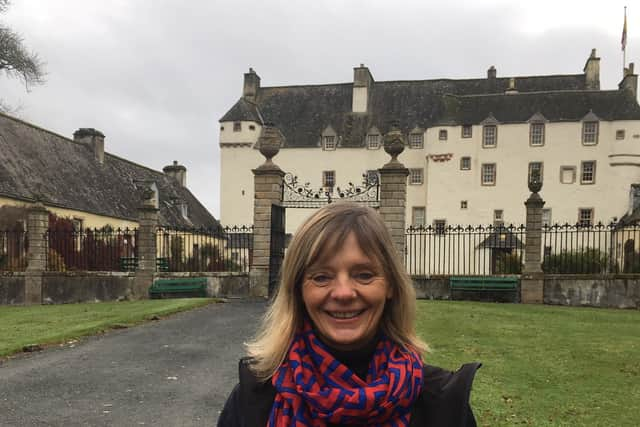
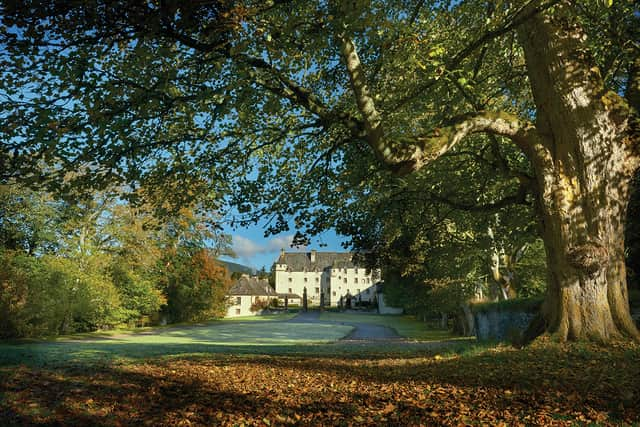
It is said to be Scotland’s oldest inhabited house dating back to the 12th century.
But Traquair House, in the Borders, is one of many privately-run historic properties struggling to keep rural tourism business going under recent policy changes.
“We are having to tighten belts and really look where we are spending to keep things going,” said owner, Catherine Maxwell Stuart.
“And it’s not just the historic houses themselves, it’s the wider rural areas struggling to keep shops, cafes and small businesses open because of some of the burdensome and heavily bureaucratic changes we’re seeing.”
Follow Hay’s Way updates via Katharine’s Instagram page and by signing up to her free Scotsman Rural newsletter here.
Mrs Maxwell, 21st Lady of Traquair, and whose family has lived at the home for more than 500 years, said policy such as short-term licensing has hit the rural tourism sector.

The legislation was brought in to tackle an increase in second-homes in “honeypot areas”, including Edinburgh and parts of the Highlands.
But businesses in some rural areas with less footfall, including the Scottish Borders, said they have been disproportionately impacted by the blanket rule.
“Small guest houses here have gone out of business because they found new legislation too onerous,” Mrs Maxwell Stuart said.
“It means we have fewer places to put people up here and less visitors, which has a knock on effect to general tourism in the area.”
The homeowner said the added bureaucracy is another blow to challenges rural tourism businesses face already, including poor transport links and shrinking visitor numbers.
“Post-Covid we have noticed lower numbers, which might be the cost of living, people going abroad again to travel, but also maybe a certain reticence of people travelling in large groups.
“We also have less school visits now because they can’t get transport or it’s too expensive.
“I like to see families coming here, we should be keeping historic homes as accessible as possible.
“Scotland has just become a very expensive place to visit now.”
A report released this week has found an overwhelming 90 per cent of some 70 independent rural tourism business operators said the most common challenge facing them was the “rising cost of doing business.”
The second and third most common challenges for respondents were “regulatory burdens” (59 per cent), including the introduction of short-term let licences, and “tax burdens”, (54 per cent), including changes to inheritance tax and VAT.
When asked if the Scottish Government understands and appreciates rural tourism, nearly all respondents (95 per cent) said “no”.
Problems recruiting staff and in securing planning permission were also challenges cited by businesses surveyed.
When asked what ministers could do to support the sector, the main theme was to reduce the regulatory and legislative burdens on rural tourism businesses.
The figures were released in a report published today by Historic Houses, a cooperative association of independent historic houses, castles, and gardens.
The organisation has 180 member properties in Scotland, of which a total of 69 can be visited. While others are not fully open to the public, they offer some public engagement including accommodation, venue hire or garden visiting.
The organisation represents more historic house-type sites than National Trust Scotland (NTS) and Historic Environment Scotland (HES) put together.
NTS has 27 historic houses open to public access, meanwhile HES has around 65 castles, with many in ruin and uninhabited.
Ben Cowell, Historic Houses director general, said: “In 2024, Historic Houses Scotland members welcomed over 1.9 million visitors, generating over £20 million in visitor expenditure and directly employed 1,150 FTE staff.
“Heritage sites are the backbone of Scotland’s tourism industry.
“We believe that rural tourism should be valued on in its own terms, not as an afterthought. Our report provides a blueprint of how to do that.”
A Scottish Government spokesperson said: “The short-term let sector is an important part of tourism and enhances Scotland’s reputation as a quality tourist destination.
“Costs are a matter for businesses and organisations. However, we are aware of the pressure they are under. That’s why this year’s budget provides a package of non-domestic rates relief worth an estimated £733 million, including the Small Business Bonus Scheme which continues to be the most generous of its kind in the UK.”
Comments
Want to join the conversation? Please or to comment on this article.