
Feral goats roaming the Borders miss out on legal protection from culls after petition closed

Campaigners are ‘bitterly disappointed’ the wild goats of Langholm won’t be officially protected from culls.
A bid to grant protected status to an ancient herd of wild goats roaming the south of Scotland has been rejected by MSPs, despite a petition backed by nearly 22,000 people.
Members of Holyrood’s petitions committee said they had “no choice” but to close the appeal for the feral beasts that roam moorland between Langholm and Newcastleton because of official advice. NatureScot said the animals were ineligible for protection because they are considered a non-native species.
The decision has angered campaigners and local residents, who fear continued culling could threaten the future of the herd.
The goats, which wander across the remote Border hills, have become a familiar feature of the landscape and a source of local pride. Supporters had hoped that formal recognition would halt population control measures carried out by landowners, who argue that numbers have risen too high and that grazing is damaging sensitive habitats.
Committee members acknowledged the strength of local feeling but said they were constrained by existing rules.
Maurice Golden MSP, speaking at the meeting, said it was “utterly bizarre” that urban gulls “who attack humans” are given protection while the “lovely, cute goats” do not.
The Scottish Conservative politician for the north east said the matter had already been considered during discussion in the Natural Environment Bill after MSP Rachael Hamilton called for an amendment in relation to the protection of wild goats. However, Mr Golden said guidance was clear: as a non-native species, the goats do not qualify for protected status.
Convener Jackson Carlaw compared NatureScot to a "dead sheep with its legs in the air" and said he wished the Scottish government agency was more proactive.
"This won't satisfy anybody locally, I don't feel,” he said.
"What seemed like a widely-supported view from people who represent the community locally has been set aside in favour of - I don't know - a rule book."
David Braithwaite, chairman of the Wild Goat Conservation Trust, said he was “bitterly disappointed” and argued that thousands of people who had supported the petition had been let down. He said the group would now focus on efforts to limit further culling.


Local residents describe the animals as part of the identity of the area. Nicola Hood, who has lived nearby for several years, said the goats were “the heart of this place” and feared they could eventually disappear if numbers continue to be reduced.
Ms Hamilton, who backed the petition, said she was “extremely disappointed” in decision made.
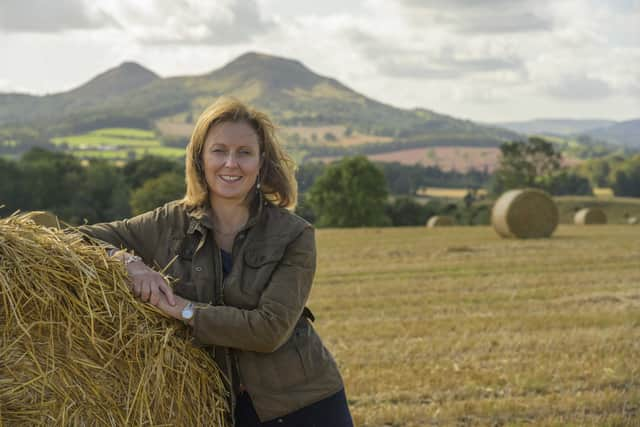
“I have been proud to back this petition every step of the way and truly believe that these goats deserved protected status,” she said.
“NatureScot have serious questions to answer over why these goats couldn’t be given protected status at a time when they seem at pains to protect menacing gulls.
“I will continue to engage with local residents to hopefully bring this petition back again after May’s election and for SNP ministers to finally intervene to guarantee this historic herd of goats will get their rightful status.”
NatureScot, in a written submission, said it recognised the depth of feeling but maintained that feral goats are an invasive non-native species capable of causing “serious damage to the natural environment” if left unmanaged. It added that populations can increase rapidly and recommended that landowners work together on a sustainable management plan.
Rewilding firm Oxygen Conservation, which bought part of the moor in 2023, said it had no intention of eradicating the herd but argued that numbers were significantly higher than in the past and needed to be controlled as part of managing the wider landscape.
Culling goats is legal in Scotland, provided animal welfare standards are met, because the animals do not have protected status.
Campaigners had hoped to change this rule in Scotland, however the committee closed their petition saying that it had no other option.
Comments
Want to join the conversation? Please or to comment on this article.