
Oysters, mussels and seaweed in Firth of Forth get £454,000 lifeline



The project hopes to boost oyster populations and restore the fasting declining blue mussel.
Almost half a million pounds is to be invested in plans to bring the Firth of Forth’s marine environment back to life, with conservationists hoping to restore habitats that have been lost or damaged by decades of overfishing and industrial development.
The National Lottery Heritage Fund has awarded development funding of more than £454,000 to Restoration Forth, a partnership seeking to revive wildlife along the Scottish coastline.
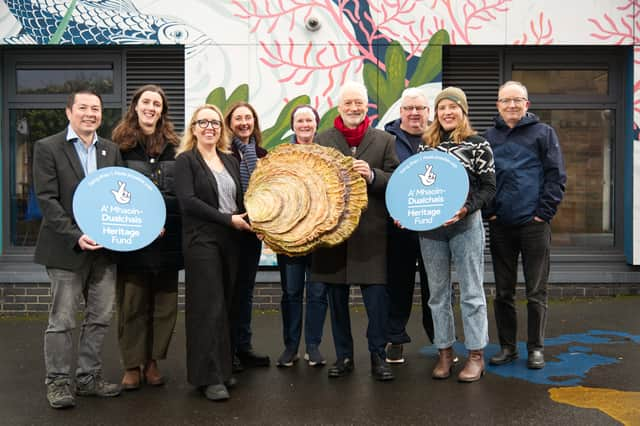
The project plans to build on the successful return of more than 60,000 native European flat oysters to the area over the past three years.
The latest cash injection will allow the project to develop plans for a much wider restoration programme, including efforts to bring back blue mussels, saltmarshes and sand dunes, as well as exploring community-led seaweed farming.
The money, raised through National Lottery players, will fund a year of research and planning before the partnership applies for a further grant to deliver its ambitions.
The return of the native oyster is central to the project's work. Once healthy in numbers in the Firth of Forth, conservationists said the European flat oyster disappeared from the area after overfishing and industrial development devastated its population.
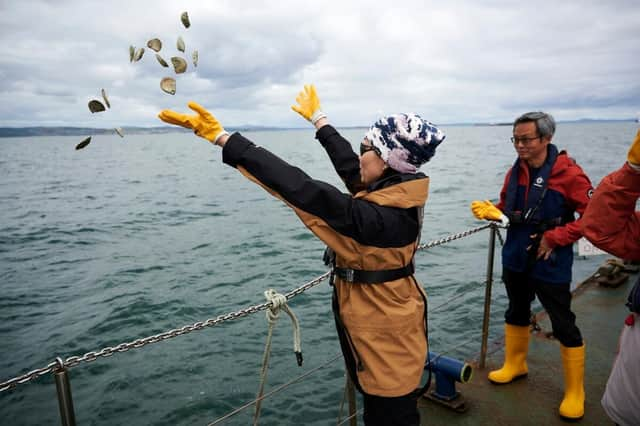
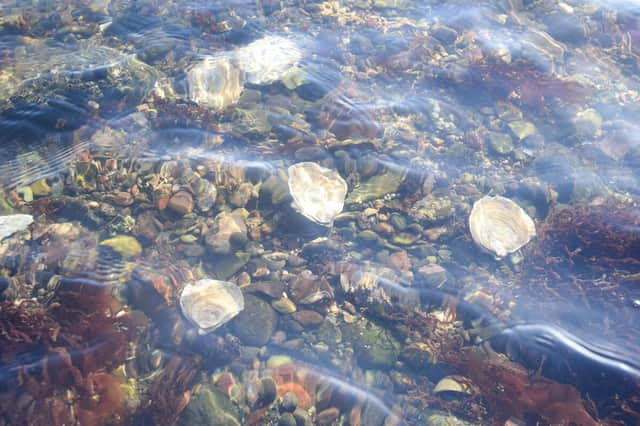
More than 60,000 have now been reintroduced, with monitoring showing encouraging survival rates. Conservationists said they hope that through rebuilding oyster populations, other marine species and habitats will also flourish given their role in supporting marine ecosystems. The mollusks help by filtering water, building reefs that support biodiversity, protecting coastlines from erosion, and locking away carbon.
The next stage of the project will see oysters grown in specialised tanks before being attached to shells and released into the estuary. Researchers will also investigate blue mussel populations along the coastline, a species that is declining fast across much of mainland Scotland, with volunteers helping to gather information and test potential restoration methods.
On land, the project will examine whether saltmarshes and sand dunes in East Lothian can be restored. The team also plans to work with farmers, landowners and other stakeholders to identify changes in land management that could reduce pollution entering coastal waters.
Dr Lyndsey Dodds, senior policy manager at WWF Scotland, said the funding marked a significant milestone for Scotland’s coastal environment.
She said: “The new funding will allow us to build on our successful oyster restoration efforts, by expanding the habitats we are focused on to include blue mussels, sand dunes and saltmarsh, and identifying how land-based pressures can be reduced and what finance models are needed to support long-term restoration of the Firth of Forth, all while ensuring the communities are involved and their voices are heard.”
Local people will be encouraged to play an active role, with schools, community groups and volunteers invited to take part in events, citizen science projects and practical conservation work.
Caroline Clark, the National Lottery Heritage fund director for Scotland, said: "With Good Causes funding raised by National Lottery players funding of £454,000 will build and expand upon successes to date, developing ways of integrating coastal and marine restoration and community-led stewardship.
"Working at a landscape scale and with a focus on key foundation species Restoration Forth has the potential to deliver significant tangible benefits for nature and opportunities for local people to get involved."
Comments
Want to join the conversation? Please or to comment on this article.