
How scientists are using £1m to develop climate resilient raspberries at Scottish research centre

A changing climate, rising production and labour costs, and the reduction of available pest and disease control measures pose severe risks to the raspberry industry
A project researching climate change-resilient raspberries has been awarded £1m in funding.
The Raspberry Economics in Production project, led by the James Hutton Institute, was given the substantial cash injection from UK Research and Innovation’s (UKRI) Innovate UK as part of a programme to focus on improving the sustainability of raspberry production in the UK.
JHI, which has centres in Dundee and Aberdeen, said the project will focus on developing raspberry varieties that require less water, fertiliser and labour to grow.
The overwhelming majority of raspberries sold in the UK are grown in Scotland where the long summer days help produce the most delicious berries.


Using advanced genetic techniques such as genomics, scientists involved in the project will identify and apply traits in raspberries that make them more resilient to changing climates and more cost-effective to grow.
Other challenges to the soft fruit industry include rising production and labour costs, and the reduction of available pest and disease control measures pose severe risks to the industry.
In the last two years alone, growers’ costs have risen by 25 per cent, according to JHI research, while retailer returns indicate a 0 per cent increase.
The research shows despite consumers consistently ranking UK-grown fruit quality ahead of imported fruit, purchasing patterns themselves mainly reflect price, with imported fruit costing less, and selling more. Dr Julie Graham, who leads the project at the JHI, said: “The UK raspberry industry is at a critical crossroads. While growers face rising costs, competition is increasing from cheaper imports. Add the pressure brought about by climate change, and it paints a bleak picture.
“We’ll utilise cutting-edge genetic technology to develop varieties more resistant to climate change, which require fewer resources to grow. The project aims to safeguard the future of the industry while also supporting rural economies and the environment.”
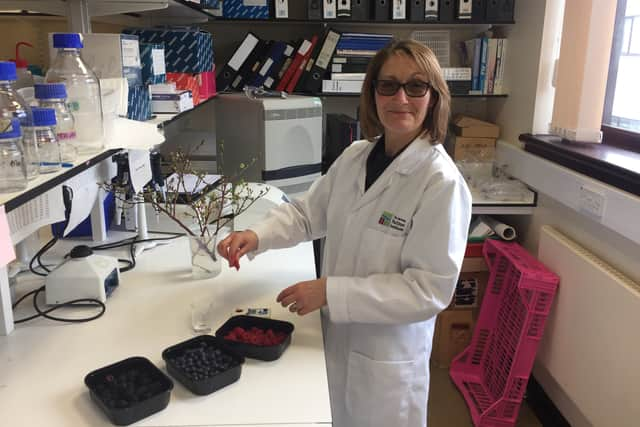
Renowned for breeding a versatile range of raspberry varieties including Glen Ample, the JHI will continue to build on its research in the industry by collaborating with a group of industry partners.
Peter Thomson from Thomas Thomson Blairgowrie Ltd said: “Working in partnership with the Hutton on this project is vital for the future of raspberry production in the UK.
“Developing new, resource-efficient varieties will help growers meet rising challenges and ensure long-term sustainability.”
Earlier this year, fresh fruit farmers in Scotland said morale was at an all time low when they were hit with a hike in the National Living Wage and slashed prices in supermarket Easter deals in the same week.
Growers said they were already on their last legs, with businesses having already shut up shop because of the impact of labour shortages in the aftermath of Brexit and during the Covid pandemic, and energy price hikes linked to the geopolitical climate.
Jack Ward, chief executive of the British Growers Association, said at the time while the labour force is essential to the food supply, and that they are paid a living wage, there has been little thought given to how much it costs for the producers to make food. One of Perthshire’s best-known berry growers quit production at its Dunning farm earlier this year. The Corrigall family, who run Leadketty Farm, said rising production costs and lack of support from supermarkets forced them to make the “heartbreaking” decision to shut up shop.
Co-owner Stephen Corrigall said: “It’s heartbreaking. We loved what we did, but there’s not point killing yourself working and making nothing at the end of it.”
Comments
Want to join the conversation? Please or to comment on this article.