
Glorious Twelfth fortunes split as Angus Glens thrive and Highland moors struggle


The season comes as brood numbers are still struggling in some parts of the country, with scientists following individual hens from before they lay through to the point at which their chicks fledge to find out why.
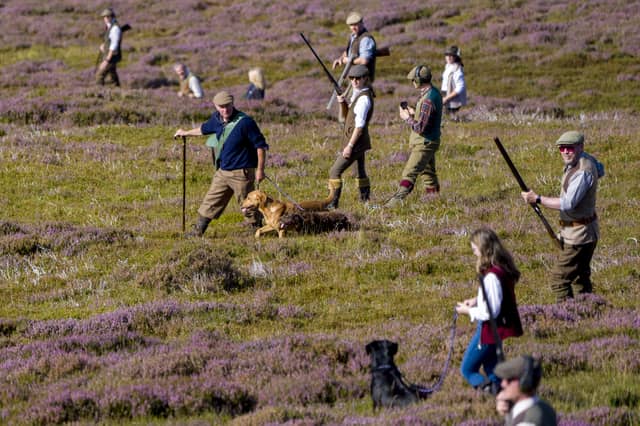
Scotland’s grouse shooting season is expected to be a tale of two halves this year, with some estates anticipating a strong run of days on the hill while others face a severely depleted population after several years of poor breeding.
August 12, otherwise known as the Glorious Twelfth, marks an important date in the calendar for many rural businesses across the country.
Seven estates in the Angus Glens contributed £6.6 million to the local economy last year, supporting 86 full-time and 768 seasonal jobs and providing 68 rural homes, according to a report released by Scottish Land and Estates (SLE).
More than 82 per cent of the sector’s £2.94 million spending on goods and services went to local businesses, the study showed.
Ross Ewing, director of moorland at SLE, said the outlook for the Angus Glens remains positive this year, where estates are reporting a sustainable amount of red grouse.
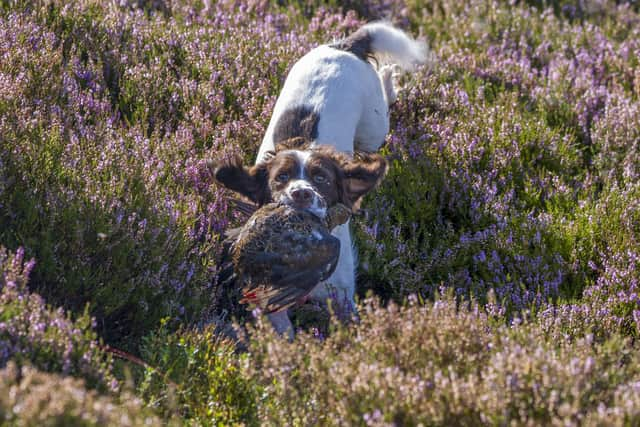
He said the Southern Uplands are also expected to produce some good days, with estates in the Lammermuirs anticipating a strong season.
Further north in the Highlands and the north-east, however, grouse numbers remain low and while shooting is expected on some estates, Mr Ewing said it will be limited.
The slump in numbers comes after a particularly difficult period for red grouse. Poor weather severely affected breeding in 2023, effectively wiping out birds on some moors in the Highlands, he said. While numbers have been declining over the last decade, the Game and Wildlife Conservation Trust’s (GWCT) long-term monitoring recorded an average 34 per cent decline in Scotland following a poor 2024 breeding season. Summer brood counts revealed a further decline in adult birds, with numbers falling by 29 per cent in Scotland.
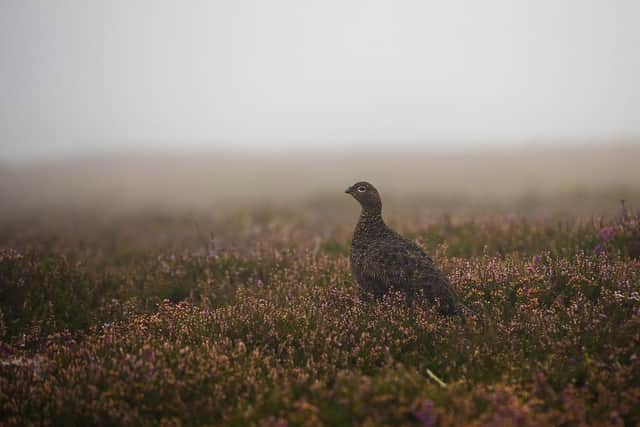
While some moors have experienced repeated breeding failures over successive seasons, in 2025 the remaining adult birds did produce more young when compared to the previous year, with an average young-to-old ratio of 1.3 in Scotland (0.6 in 2024). It meant last year was seen as ‘a rebuilding year’ for many estates.
Mr Ewing said weather remains one of the most important variables affecting the species, with conditions capable of making or breaking a breeding season.
The moorland expert, however, said other factors are at play, including predation and disease. Some estates have struggled to obtain licenses from NatureScot to control ravens, which can be prolific predators for the native bird. Louping ill, a tick-borne disease that impacts sheep and red grouse, is also a threat. Mr Ewing said efforts are ongoing to raise funds for a vaccine to reduce cases.
It comes as the GWCT launched a major project to establish why some grouse populations recover while others continue to suffer.
The Maternal Grouse Project brings together almost 45 years of monitoring with detailed field studies of grouse hens across northern England and Scotland. Scientists are following individual hens from before they lay through to the point at which their chicks fledge.
The project is now in its fourth year in northern England and has expanded into north-east Scotland, with a further expansion into southern Scotland planned for next year. In March, researchers tagged 51 hens across four new sites in the Highlands, alongside 60 birds at four established sites in the North Pennines.
Nick Hesford, director of GWCT Scotland, said the project was designed to move beyond simply measuring population rises and falls.
Comments
Want to join the conversation? Please or to comment on this article.