
Coul Links: Conservation groups clash with Highland community over decision on controversial golf course
Campaigners are calling on members of the public to push Holyrood to reject the plans to protect a coastal dune system that they claim is one of the last remaining of its kind in Scotland.

Scotland’s leading conservation groups have been accused of disregarding a Highland community’s needs in the latest clash over controversial golf course plans.
The “Conservation Coalition”, which includes Buglife, Butterfly Conservation Scotland, Marine Conservation Society, National Trust for Scotland, Plantlife Scotland, RSPB Scotland and Scottish Wildlife Trust, has launched a fresh campaign stop a golf course at Coul Links, near Embo, in Sutherland.
The decision on whether or not the 18-hole development will go ahead is immanent after a report, following an inquiry into the plans, was submitted to the Scottish Government last week.


The public hearing, which took place last year, came after the level of pushback against the proposals, which conservationists said will threaten a mosaic of habitats and species living among a coastal dune system they claim to be one of the last remaining of its kind in Scotland.
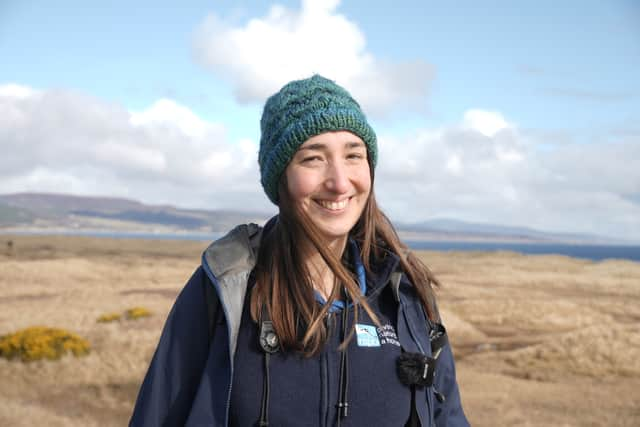
In the latest fight against the proposed development, the coalition has called on its members - reaching more than a million - to write to politicians in Holyrood, urging them to block the plans.
The site is home to a globally endangered insect, the Fonseca’s Seed Fly, and is part of three legally protected nature sites: a Site of Special Scientific Interest (SSSI), a Special Protection Area (SPA) for birds, and a Ramsar site, which is an internationally important wetland.
Communities for Coul (C4C), which is behind the proposed course, has since accused the coalition of treating locals “with utter disrespect” in its latest campaign push to bin the plans.

C4C claims the development offers an opportunity to bolster the local economy in an area facing depopulation.
C4C director, Gordon Sutherland, said: “Once again these influential national organisations are providing misinformation to their members all around the country asking them to tell Highlanders how to look after their own land, while completely avoiding any of the harsh economic realities facing our area and its environment.
“In making no mention of the much-needed economic benefits and new opportunities Coul Links will bring to an area hit harder than any part of the country by the loss of working-age population, they are being utterly disrespectful to the needs and aspirations of local people.
“The coalition also turns a blind eye to the fact that very little is currently being done to protect the environmental features at Coul Links, which they are apparently trying to ‘save’, but which, in fact, are rapidly being destroyed by the spread of invasive species and other changes that reduce their diversity and distinctiveness.
“They, of course, make no mention that the golf course development would provide the private funding, machinery, personnel, expertise and motivation needed for the restoration and perpetual protection of biodiversity within the dune system at Coul Links. We are not aware of any other initiative by these charities or any other organisation that can achieve this.
“The sad truth is that these wealthy, metropolitan-based organisations have not spent a penny on the conservation of Coul Links.”
RSPB Scotland, however, said benefits from the development have been “hotly contested.”
A spokesperson for the charity said: “As charities who exist to protect nature, we know that our supporters and members want us to speak up for outstanding places like Coul Links.
“Our staff, volunteers, and members live and work across Scotland and want to see rural communities thrive. We recognise the strength of feeling on this case and respect the wide variety of views held by locals about this development.
“While we did not give evidence at the public inquiry's economic sessions, supposed benefits from this application have been hotly contested.
“Our role was to give expert evidence about the impact this development would have on an extraordinary site for nature, whose importance is recognised by three types of protection and is home to some of the rarest species in Scotland. The evidence is clear: the impact would be dire and irreversible.
“As we have seen elsewhere in Scotland, the way to protect important dune systems is not by turning them into a golf course. Instead, we need to support NatureScot to work with the landowner to make improvements.
“We know how much nature matters to people, and that’s why we will continue to stand up for the most important places for wildlife including Coul Links.”
Similar golf course plans for the site were rejected in 2020 by the Scottish Government.
The latest application was submitted in 2023, but due to objections from the public, conservation organisations and the Scottish Government’s own advisors at NatureScot, the Highland Council’s planning committee narrowly voted against the recommendation of their own planning officers to approve the application.
Following this, campaigners called on Scottish ministers to ‘call-in’ the application, leading to a public inquiry, ahead of a ministerial decision.
The Scottish Government said ministers are reviewing the reporters’ findings and will issue a decision as soon as possible.
Craig Macadam, a director of Conservation for Buglife, said: “If this development goes ahead, it will have far-reaching and devastating impacts on the important invertebrate communities of Coul Links.
“We fought for Coul Links before and with help from the public, we won. Please stand with us again to protect this special wildlife haven.”
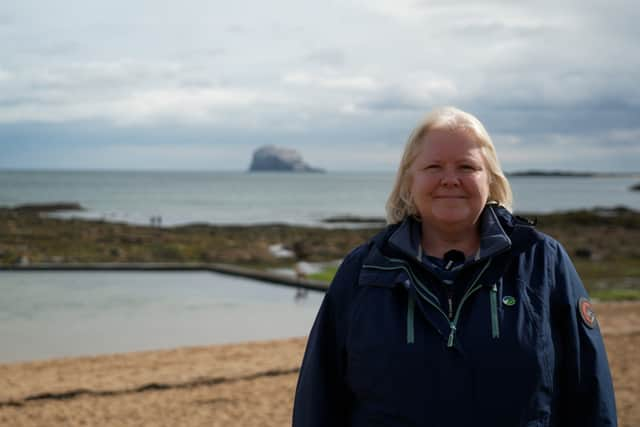
Director of RSPB Scotland Anne McCall said: “As ministers consider their decision, we are once again asking people to join us in saying this unique and protected site is not the right place for a golf course."
Comments
Want to join the conversation? Please or to comment on this article.