
Exclusive:Bird species and plants for pollinators up 250% on rewilded landholdings in Scotland
The network of landholdings where surveys were carried out include farms and crofts where nature restoration work has been encouraged.

Birds and pollinators are flourishing across a growing network of Scottish landholdings where nature restoration has become a central aim, according to a new survey.
The findings come from studies conducted across the Northwoods Rewilding Network, a group of 100 farms, crofts and woodland sites scattered across the country and covering more than 31,500 acres — an area approaching three quarters the size of Glasgow.
Researchers carried out multiple survey visits during last spring and summer at 11 sites within the network. Specialist ecologists compared rewilded land with neighbouring areas managed more conventionally, assessing bird populations at five sites and butterflies and bumblebees at a further six. It is the first time the network has had such a study completed across the sites.


The locations were selected to be broadly similar in geography and environmental conditions, allowing differences in wildlife to be attributed largely to the effects of rewilding. Rather than tracking change at a single site over time, the researchers adopted a “space-for-time” approach, comparing areas at different stages of ecological recovery.
Across the rewilded land studied, the research found suitable habitat for birds increased more than fivefold, while the numbers of bumblebees and butterflies rose more than tenfold.
Among the pollinators recorded were painted lady, green-veined white, peacock, red admiral and Scotch argus butterflies, alongside bumblebees including buff-tailed, common carder, early and tree bumblebees.
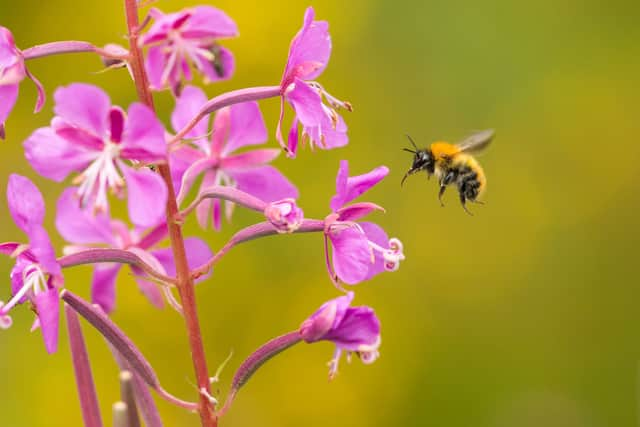
The data were analysed by Dr Ross Macleod, a behavioural ecologist at Liverpool John Moores University, who said the surveys recorded more than 3,000 bumblebees and butterflies and 1,000 pairs of breeding birds along 120 kilometres of walked transects.
On the rewilded sites, he found the number of bird species had risen by 261 per cent and the number of breeding territories by 546 per cent. For pollinators, the diversity of butterfly and bumblebee species more than doubled while their abundance increased more than tenfold. The number of nectar-rich plants available to them rose by about 250 per cent.
The researchers estimate that the network of landholdings now supports around 2.5 million pollinating insects.
“By measuring the variety and abundance of birds, bumblebees and butterflies, our survey set out to test whether rewilding leads to improved biodiversity across the Northwoods network,” said Aidan Maccormick, the network’s rewilding officer.
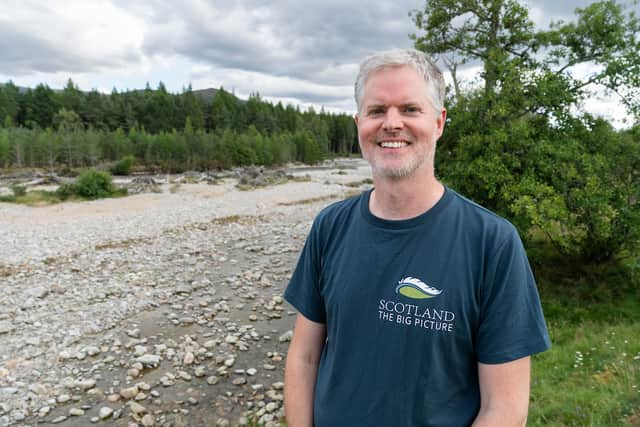
He said a greater number of red- and amber-listed birds — species of conservation concern — were also recorded on the surveyed sites, including the spotted flycatcher, a scarce and declining breeding bird in Scotland.
Results found cuckoos and woodcock were now relatively common on Northwoods rewilded land, a pattern Mr Maccormick said “bucks the national trend of almost catastrophic declines”. Cuckoo numbers have increased in parts of Scotland in recent years, according to the British Trust for Ornithology, even as the species declines elsewhere in the UK.

The bird that stood out the most across the sites for Mr Maccormick was the willow warbler.
“They are quite common in Scotland but they were just everywhere and seem to be one of the birds that have benefitted most,” he said.
“Their numbers were outstanding on the rewilding areas.”

Mr Maccormick said it was often sites where farming and rewilding went hand in hand that proved most encouraging for seeing pollinators and other species in abundance.
“One example where you have farming and rewilding on the same footprint of land in areas was at a place called Argaty,” he said.
“There are sort of wildflower meadow areas grazed by cattle which helps produce beef for the farm business, but it’s also outstanding for pollinators. It’s amazing. You walk through the field and it’s humming. That is cattle and rewilding and farming together.”
It would appear the boost in bird and pollinator numbers have not been deterred by a simultaneous increase in visitor numbers at some sites that have diversified into tourism.
Comrie Croft, near Crieff in Perthshire, was among the sites surveyed for birdlife. Once a livestock farm and commercial conifer plantation, it has been transformed into a regenerative farm and eco-tourism destination with a popular café and mountain-biking trails.
“We wanted to create a place where people and nature could thrive side by side,” said the founder, Andrew Donaldson.
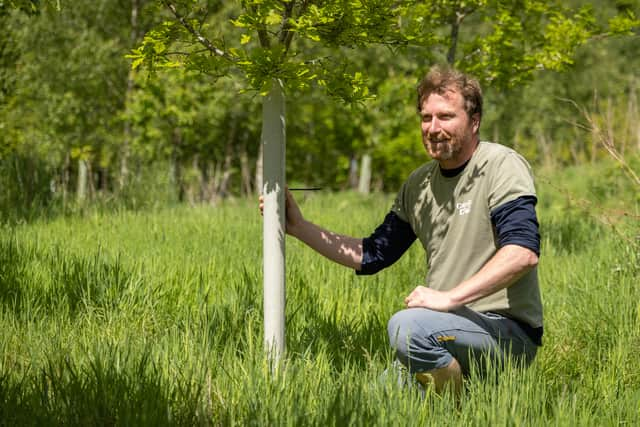

“Families, jobs and wildlife — it doesn’t have to be either-or. Thirty years ago this was a nature-depleted plantation making little money. Today it’s an award-winning rewilded destination that attracts 50,000 visitors a year while supporting four times as many birds.”
Argaty Red Kites at Lerrocks Farm near Stirling, was surveyed for both birds and pollinators. The site hosted Scotland’s first successful relocation of beavers in 2021 and now offers wildlife-watching hides and guided tours, alongside a feeding station for red kites.
Tom Bowser, who runs the family farm, said: “It’s exciting to know our rewilded areas support ten times the number of bumblebees.

“These areas are still essential to our farming business, either forming part of our wildlife watching areas, or being grazed by our beef herd.
“For us, rewilding is a win for both nature and income. Our native woodlands now support more than 15 times the numbers of birds they used to, they’re home to beavers and red kites, and also provide shelter for our livestock. So they’re essential for a healthy business and a healthy ecosystem.”

Mr Maccormick said the results demonstrated that restoring natural habitats could deliver rapid ecological gains while remaining compatible with rural livelihoods.
“Whether it’s converting conifer plantations to naturally regenerating native woodland or increasing wildflower diversity in cattle pasture, the evidence shows that restoring natural processes leads to higher biodiversity,” he said.
“Crucially, we’ve also shown that rewilding can sit alongside viable businesses — from food production to recreation and tourism.”
Other sites surveyed in the project include Kinloch Woodlands, a community-based conservation charity based in Wester Ross; Laikenbuie Ecology Trust, Nairn; Ballinlaggan Farm, near Carrbridge in the Cairngorms National Park; Ballintean Farm near Kingussie; Cnocan A Chorra, a working woodland and market garden located and Glenan Wood, a temperate rainforest, both on the Cowal peninsula in Argyll and Bute; Francesfield Farm, a mixed farm in Perthshire; Pirleyhill Farm in Ayrshire; and South Clunes Farm in Inverness-shire.
The Northwoods Rewilding Network is supported by one of Scotland’s rewilding charities SCOTLAND: The Big Picture, which is funded by charitable grants, private donors and corporate partnerships.
Comments
Want to join the conversation? Please or to comment on this article.