
The story of Scottish whisky: A legacy of history, diplomacy, and economic might
Scottish whisky, known globally as Scotch whisky, is much more than just a beloved drink. It is a symbol of tradition, a catalyst for diplomacy, and a cornerstone of Scotland’s economy.
From its centuries-old origins to its role in global trade and cultural representation, Scotch whisky has shaped both Scottish identity and its standing on the world stage. Its unique spelling, production methods, health benefits, and quirky traits only add to its enduring allure.
The Origins of Scotch Whisky
The story of Scotch whisky begins in 1494, when records first mentioned distilling “aqua vitae” (the water of life) in Scotland. Early whisky was unrefined and primarily used for medicinal purposes, far removed from the complex spirit we know today.
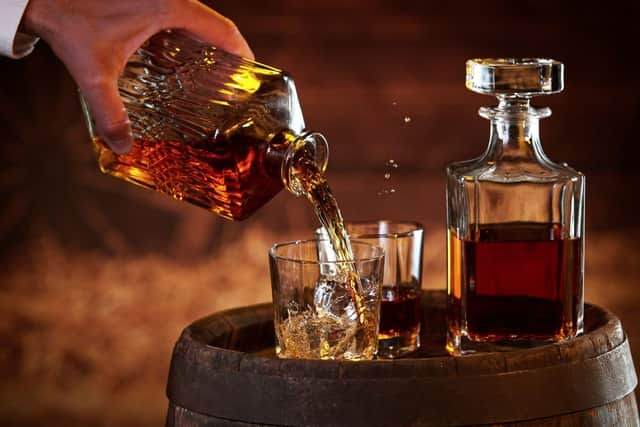

Over time, distillers honed their techniques, incorporating malted barley, pot stills, and oak barrels, which allowed whisky to develop its iconic smoothness and depth of flavor. By the 18th century, whisky was entrenched in Scottish culture, though it faced challenges from heavy taxation, leading to widespread illegal distilling and smuggling. The Excise Act of 1823 legitimized production, sparking a golden era for Scotch whisky.
Why Whisky, Not Whiskey?
The Scots spell their spirit “whisky,” while the Irish and Americans add an ‘e’ to make it “whiskey.” This distinction emerged in the 19th century when Irish distillers sought to differentiate their product from Scottish whisky, which they considered inferior at the time.
Today, the spelling is more than a linguistic choice—it signifies a whisky’s heritage. Scotch whisky, along with Canadian and Japanese whiskies, uses the Scottish spelling. Meanwhile, “whiskey” refers to Irish and American spirits, like bourbon and rye.
Scotch Whisky vs. Bourbon: Key Differences
While bourbon and Scotch whisky share a common ancestry, they are fundamentally different:
• Ingredients: Scotch whisky primarily uses malted barley, while bourbon must contain at least 51% corn, giving it a sweeter profile.
• Production: Scotch is traditionally distilled twice in pot stills, whereas bourbon is often distilled once using column stills.
• Aging: Scotch whisky must age for at least three years in oak barrels, often repurposing casks previously used for sherry, wine, or rum. Bourbon requires new, charred oak barrels, imparting its distinct caramel and smoky notes.
These differences highlight the unique identities of each spirit, with Scotch whisky offering a more diverse range of flavors and traditions.
Foreign Affairs: Whisky as a Diplomatic Powerhouse
Scotch whisky plays a vital role in Scotland’s foreign relations, acting as a cultural ambassador and a key driver of international trade:
1. Diplomatic Symbol: Scotch whisky is often gifted during state visits and international events, symbolizing Scotland’s hospitality and heritage.
2. Trade Agreements: Whisky frequently features in trade negotiations. The removal of US tariffs on Scotch whisky in recent years rejuvenated its market in America, the industry’s largest export destination by value.
3. Emerging Markets: Countries like China and India see Scotch whisky as a status symbol, driving demand and enhancing Scotland’s global economic ties.
Domestic Policy: Protecting Scotland’s Iconic Spirit
Scotland has implemented robust policies to preserve the integrity and sustainability of Scotch whisky production:
1. Geographical Indication (GI) Status: Scotch whisky is legally protected as a product of Scotland, ensuring its authenticity and preventing counterfeits.
2. Sustainability Initiatives: Many distilleries are adopting eco-friendly practices, such as renewable energy and waste reduction, aligning with Scotland’s environmental goals.
3. Whisky Tourism: The government supports whisky-related tourism, which has transformed rural economies. Distillery tours and whisky trails like Speyside attract millions of visitors annually.
Financial Gains: A Billion-Dollar Industry
Scotch whisky is not just a drink it is an economic juggernaut:
1. Exports: In 2023, Scotch whisky exports hit record highs, valued at over £6 billion. It accounts for 70% of Scotland’s food and drink exports and 25% of the UK’s total food and drink exports.
2. Job Creation: The whisky industry supports more than 40,000 jobs, particularly in rural areas where distilleries serve as vital economic hubs.
3. Tourism Revenue: Whisky tourism generates hundreds of millions annually, with over 2 million visitors flocking to Scotland’s distilleries each year.
4. Whisky Bonds: Scotch whisky’s aging process creates unique investment opportunities, with rare casks appreciating significantly in value over time.
Health Benefits of Whisky When consumed in moderation, whisky offers several surprising health benefits:
1. Heart Health: Antioxidants in whisky, like ellagic acid, can lower bad cholesterol and reduce the risk of heart disease.
2. Digestive Aid: Historically used as a digestif, whisky helps stimulate digestion.
3. Stress Relief: A dram of whisky’s warm, smooth flavor can help relax the body and mind.
4. Low-Calorie Option: Whisky is a relatively low-calorie drink when consumed neat, as it contains no fat, carbs, or sugar.
Quirky Whisky Facts
1. More Barrels Than People: Scotland has over 22 million casks of whisky aging—more than four times its population.
2. The Angels’ Share: About 2% of whisky evaporates annually during aging, a loss romantically dubbed the “angels’ share.”
3. Whisky on the Moon: In 2011, Ardbeg Scotch whisky was sent to space to study how microgravity affects its maturation.
4. Old and Rare: Some Scotch whiskies are aged for 50 years or more, with rare bottles fetching millions at auction.
Scotch Whisky: A Legacy of Craftsmanship and Diplomacy
Scottish whisky is far more than just a spirit it is a symbol of a nation’s resilience, ingenuity, and global influence. From its humble beginnings as a medicinal tonic to its role as an economic powerhouse and cultural ambassador, whisky has shaped Scotland’s past, present, and future.
Whether enjoyed neat, on the rocks, or in a cocktail, every sip of Scotch whisky carries with it the essence of centuries-old tradition and the artistry of master distillers. Slàinte mhath! (To your health!)