
Why we cannot let government grind to a halt for six weeks
Scott Wright warns the risk-averse application of pre-election guidance can lead to uncertainty and frustration for businesses
The forthcoming Scottish election will be one of the most important votes in its parliament’s short history – but also runs the risk of leaving on hold key decisions with significant impacts for businesses and development under a guise of sensitivity.
For companies and projects operating in Scotland, the potential impact of an effective shutdown in government functions for six weeks under the conclusion that all decisions are politically sensitive, will amount to an unnecessary pause on key economic activity.
Scotland goes to the polls on May 7 – alongside Senedd elections in Wales and local council elections in England – for what is being heralded as perhaps the most significant vote in the country since the advent of devolution in 1999.
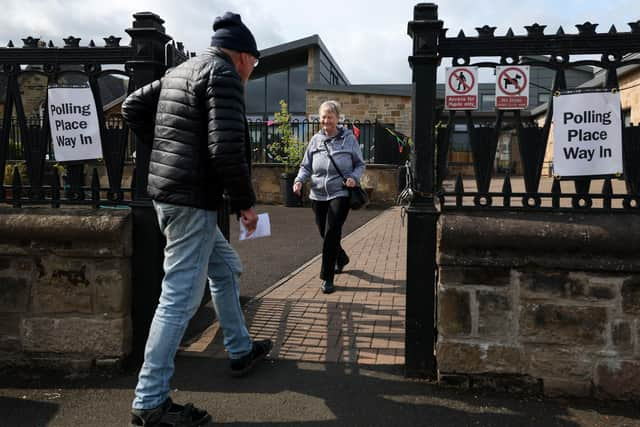

The increased influence from new and smaller parties such as Reform and the Scottish Greens, and the overspill of political turmoil from south of the Border, will put the May ballot under an intense spotlight – but away from that, there’s an additional challenge in the build-up to voting day which must be navigated.
The election brings with it the mandatory pre-election period of sensitivity, formerly known as purdah, which from 26 March until polling day imposes a de facto pause on political decision-making across national and local government.
During the pre-election period, Scottish government guidance – which applies to people working in the government, its related agencies and national devolved public bodies – is explicit that in the six weeks prior to polling day, ministers should continue to conduct “essential business”.
This essential business relates to discharging statutory functions, responding to a major incident or public health crisis, or instances where postponing a decision would prove detrimental to Scotland’s interest or a waste of public resources.

With this, however, comes the caveat that decisions on matters of policy should be deferred until post-election, and discretion observed in “initiating any new action of a continuing or long-term character”, the goal of which is intended to preserve impartiality during the pre-election period, and ensure resources are not used for party political purposes.
While this is an entirely appropriate course of action to take, it also means for businesses that major funding decisions may be deferred, planned events with politicians will likely not proceed, and major new policies will not be announced through official government channels.
The practical reality of the pre-election period can be quite different. What has often happened previously is a risk-averse application of pre-election guidance, leading to a six-week period of uncertainty and frustration for businesses – particularly those preparing to invest, or who have “shovel-ready” projects awaiting planning consent, not least many ScotWind projects in the formal consenting phase.
Despite the need for understandable caution, indiscriminately concluding that all decisions to be taken are politically sensitive, amounts to a pause on key economic activity, which can do untold damage to delivery confidence and inhibit future investment.
While it is important that a period of sensitivity is observed, it is also critical that decisions being made by officials and ministers during this period are pragmatic and proportionate, and made on a case-by-case basis. The Scottish economy depends on it.
Scott Wright, Scottish Affairs and Devolved Nations Lead, Pinsent Masons
Comments
Want to join the conversation? Please or to comment on this article.