
Why RBS owner NatWest has spent £1.2 billion buying back Treasury shares now and what happens next
Shelving of a retail share offer to individual investors has been described as a “missed opportunity”.
Royal Bank of Scotland parent NatWest Group has spent more than £1.2 billion to buy back another chunk of stock from HM Treasury, its largest shareholder.
The banking giant, which was bailed out amid the global financial crisis, said it had purchased 392 million shares from the UK government, representing 4.5 per cent of its share capital, at a cost of £1.24bn. In addition, it was revealed that the government had reduced its stake further under its regular trading plan. It means that the taxpayers’ stake in NatWest has fallen to about 22.5 per cent - down from just under 27 per cent as of May 13.
Chief executive Paul Thwaite said: “This transaction represents another important milestone for NatWest Group, building on recent momentum in the reduction of HM Treasury’s stake in the bank. We believe it is a positive use of capital for the bank and for our shareholders and represents further progress against the ambition to return NatWest Group to full private ownership. Our focus remains on delivering for our customers which will, in turn, deliver for our shareholders and the UK economy.”
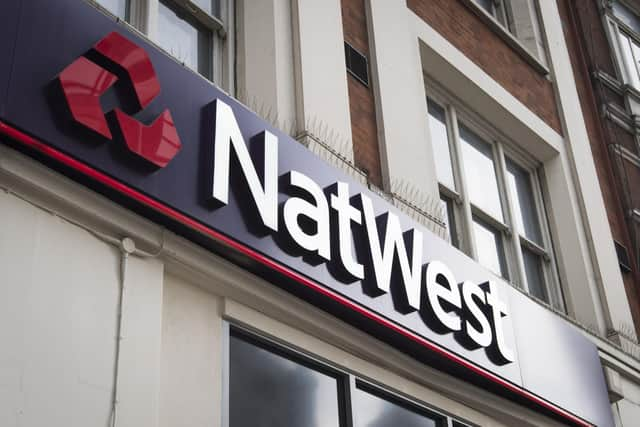

The group received several multi-billion-pound bailouts during the financial crisis in 2008 and 2009, leaving the UK government - in effect the taxpayer - with an 84 per cent stake in what was then known as Royal Bank of Scotland. But the Treasury has been selling down its stake in the lender, which also owns Coutts.
The sell-off process has accelerated of late, and current Chancellor Jeremy Hunt reaffirmed the government’s plan to sell all of its interest in the bank by 2025 or 2026 in the spring Budget. It was supposed to include a public share sale this summer as part of an attempt to create a “new generation of retail investors” but that element has been put on ice because of July’s general election. A Treasury spokesperson confirmed: “A retail offer will not happen during the election period.”
The Treasury has been able to continue the buyback and regular share sale processes as these were previously announced policies.
Dan Coatsworth, investment analyst at AJ Bell, said: “The government’s timetable for a sale to begin this summer has been derailed by Rishi Sunak’s announcement of a snap general election on July 4, marking a missed opportunity to encourage more people to develop a long-term saving and investment habit.
“The government offering its NatWest shares below market price could have encouraged more people to buy shares for the first time. While many adults aged 22 or older already put money into the stock market via a workplace pension thanks to the auto-enrolment scheme, a much smaller number of individuals will have bought shares directly.
“It is not clear whether the Labour Party would proceed with a similar offer if they won the election but if Keir Starmer and Rachel Reeves end up at the helm of the next government, it is vital they revisit the potential sale. It could also be a straightforward way to raise a significant amount of money.”
Comments
Want to join the conversation? Please or to comment on this article.