
Water is a precious resource and it's time we all saw it that way
Scotland must not ignore the lessons to be leaned from the people most affected by scarcity, says Stephen Slessor
For some, water scarcity is not a new problem. Countries around the world, aided by NGOs and charities, have had to find innovative ways of ensuring access to clean and safe drinking water.
For many, the idea of water scarcity feels half a world away, especially in ‘rainy’ Scotland. This couldn’t be further from the truth, and there is an urgent need for consumers and businesses to learn lessons from elsewhere to avoid issues rapidly compounding.
I recently returned from Malawi where I visited several water and sanitation projects with charity WaterAid. While there are always specific geographic realities that influence water scarcity, I was struck by the number of similarly intensifying common challenges I saw, too.
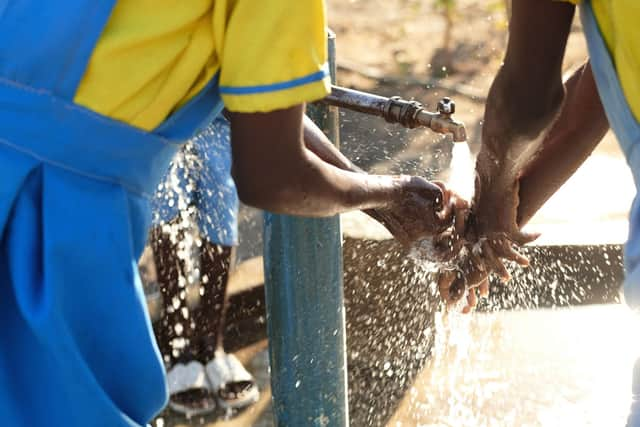

Across the globe, changing weather patterns are compounding long-term issues around infrastructure investment, limited automation and, of course, underlying water scarcity patterns.
In Malawi, this is not a future problem. Although shorter rainy seasons naturally impact the amount of water collected, this is not the only emerging problem. Rising temperatures are also impacting the quality of available water, with harmful algal blooms identified in water sources across the country.
On top of this, climate change is also driving intense flooding and droughts. The increasingly extreme fluctuation between the two is further disrupting the supply of water and damaging already aging infrastructure.
Despite the tireless work of the country’s water sector and NGOs, one in three people still do not have access to clean drinking water.

Working with WaterAid, I wanted to understand how RSE and others can support Malawi and other nations facing similar challenges, ensuring we do not lose progress already made. But with these issues becoming increasingly global, delivery at scale becomes a different challenge.
The UK summer has shone a light on how climate change is beginning to impact our daily lives. Yes, many of us have enjoyed the warm, summer days which have in the past felt few and far between, but this – combined with less consistent rain throughout the year – has also impacted the availability of water.
According to SEPA, as of the end of August, there were 21 areas of Scotland under water scarcity warnings – six of those at the highest level of “significant scarcity”.
Of course we cannot extrapolate all the challenges being faced in Malawi, but it is time to front up to the fact that water scarcity isn’t something we can afford to ignore – anywhere in the world.
Infrastructure investment, at the appropriate level for the country and the systems it has remains an urgent economic and social need and our best insurance policy, even before we address some of the more complex and emerging issues driven by climate change.
There may be no simple answer to this. But we can work together.
When I arrived in Malawi, I was on a mission to find out how we could support the work there. And I believe we can, whether that is through investment, knowledge sharing or the development of new innovations.
But I also left with a desire to share what I learnt in Malawi in Scotland. We must all do more to recognise water for the precious resource it is. Recognising patterns and learning from others will be key to limiting the consequences and ensuring the incredible work to widen access to water over the decades is not lost.
Stephen Slessor is RSE CEO and British Water Chair
Comments
Want to join the conversation? Please or to comment on this article.