
There are ways to maintain farms as a growing concern
Henrietta Talbot says rural diversification is not without its challenges, but done well it can futureproof a business
Rural diversification is by no means new, but TV coverage around the topic has made it more visible and relatable.
Take Clarkson’s Farm. It has showcased the trials, tribulations and realities of modern farming to a whole new audience and achieved significant emotional engagement along the way.
Shows like This Farming Life illustrate how farmers are trying to evolve in an ever-more competitive industry, discussing all manner of diversification – from food markets and farm weddings to glamping pods and farm stays.

This honest, through-the-keyhole look at farm life has also brought a stark reminder of the challenges that come with diversifying, because change also brings a raft of new responsibilities, liabilities and challenges.
Many aren’t unique to farming – National Insurance increases, minimum wage impacts, energy costs, reliance on external suppliers, insurance considerations, planning, and much more are cost pressures in every industry.
But when the rural sector is already navigating the pressures of their core industry, branching out into new areas to generate additional income, it can be a truly daunting prospect.
The fact government support hasn’t kept pace with rising costs only compounds this.

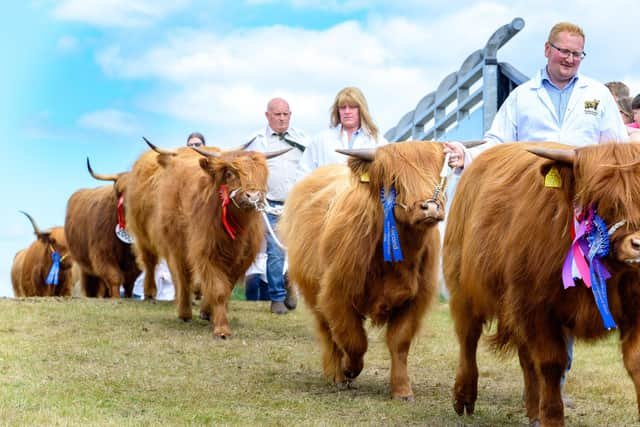
At the recent Royal Highland Show – which celebrated the best of Scottish agriculture with an audience of 210,000 – Scottish Land and Estates (SLE) released a paper calling for agriculture, food and drink to be central to the country’s economic growth strategy rather than on the periphery, and called for policy clarity and early decision-making.
The report championed the benefits that can come through integrated land use, including food production, climate action, biodiversity and rural employment, and called for practical measures to support growth across agriculture, food and drink.
If you don’t work in this industry, and you’re reflecting on all the challenges that come with diversifying, you’d be forgiven for asking ‘why bother?’. Is it worth the deluge of obstacles and red tape? The answer is yes – very much so – because SLE’s report, and indeed TV programmes like those mentioned serve as a reminder of the vital place rural businesses have in the economy. Without futureproofing, they’re vulnerable.
In today’s climate, farms that might once have supported two or three generations may now only support one. If margins are already tight, it’s all the more reason to put plans in place to ensure resilience and multi-generational sustainability.
Despite the complexities, if it’s done right, it can be done really well. Careful and case-specific legal advice can mitigate risk and provide the best chance of success.
If you feel constrained by geography or scale, an external perspective might just help you identify an opportunity you haven’t considered.
All projects need to be assessed to consider long-term implications and obligations, not just of the project itself, but also the interplay with the rest of the farm and estate portfolio, considering both existing and planned projects.
Any diversification project on a large scale and involving development needs to look beyond the commercial incentives to the environmental impact and continuing obligations that might ensue. Whilst most such obligations will be passed on to the developer to satisfy as part of any planning permission, landowners will very often have their own emotional attachment to the land.
The project should fit with your own aspirations and ethos when it comes to preservation and impact on the environment and locality. Engaging the right professionals to negotiate the most preferable position for the landowner is imperative.
Henrietta Talbot is a Partner, Davidson Chalmers Stewart