
Ten years on: 70% of Scottish house buyers now hit with LBTT bill as most lucrative postcodes revealed
“Rising house prices and unadjusted thresholds have steadily brought more buyers into scope” – John Boyle, Rettie
Almost three-quarters of home buyers in Scotland can expect to be landed with an additional moving-in charge, a decade on from the introduction of the land and buildings transaction tax (LBTT) north of the Border.
Introduced by the Scottish Government in April 2015, the total receipts from LBTT that month amounted to £7 million, climbing to £61m this April, according to research from property firm and estate agency Rettie.
The Edinburgh-based firm has calculated that LBTT revenue has reached a total of £4.6 billion with more than one million returns received over the last ten years.
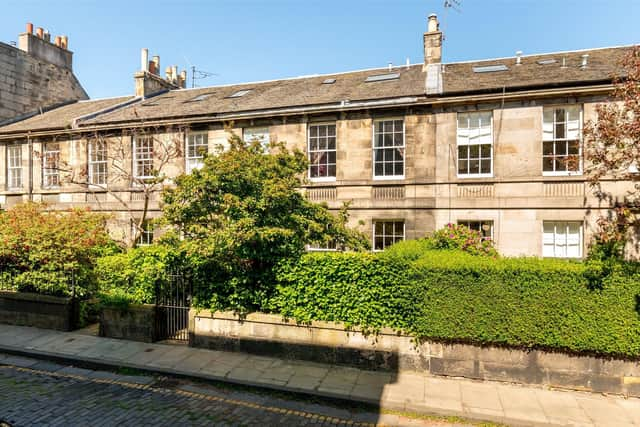

Rettie said that around 70 per cent of house sales were now over the £145,000 threshold, meaning the vast majority of Scottish house buyers can expect an LBTT bill.
In the latest financial year 2024/25, residential LBTT revenue increased to a record annual high of approximately £700m. The Edinburgh market remains the major source of LBTT revenue, with five of the top ten postcode districts, with three in Glasgow, and St Andrews and East Lothian rounding off the top ten.
The postcodes that generated the greatest revenue in 2024/25 were EH10 (including Morningside), EH4 (including Barnton and Cramond), EH3 (including Edinburgh’s New Town), EH12 (including Murrayfield) and G61 in Glasgow (including Bearsden).
Rettie’s research also reveals that the highest average LBTT bill by area was in Fife in KY9 (including Elie) at just under £27,000, followed by EH10 in south-west Edinburgh at around £25,000, and by EH39 (including North Berwick) at £24,000.
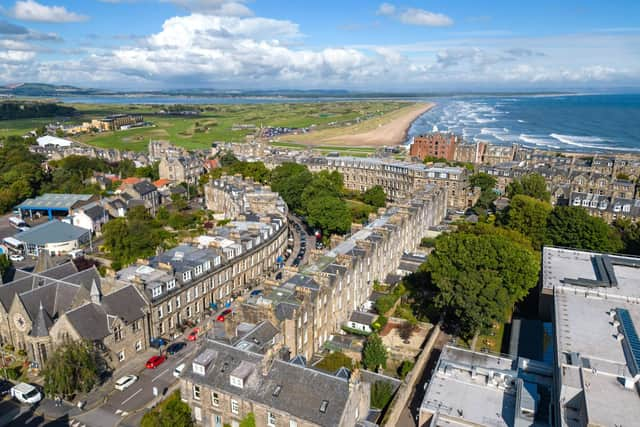
Prime sales continue to drive revenues, the firm noted, with sales in excess of £750,000 equating to 22 per cent of revenue despite accounting for only about 1 per cent of residential sales.
Revenue generated by the additional dwelling supplement (ADS) on second homes (not including buy-to-let purchases) now accounts for 35 per cent of residential LBTT revenue, nearly ten percentage points higher than the previous year. The ADS rate was increased to 8 per cent, from 6 per cent, in December last year.
John Boyle, director of research and strategy at Rettie, said: “Ten years on from its introduction, LBTT has become a central feature of Scotland’s property market, with revenues now at record levels.
“Rising house prices and unadjusted thresholds have steadily brought more buyers into scope, while the additional dwelling supplement has grown into a significant driver of receipts. Revenues are increasingly reliant on a small share of high-value transactions, particularly in Edinburgh and Glasgow, which underlines both the strength and vulnerability of the current tax base.”
He added: “Looking ahead, policy discussions around property taxation at the UK level, and the potential for reform in Scotland, will be important to monitor. For now, however, LBTT continues to provide a growing source of revenue, shaped by the dynamics of Scotland’s housing market and the concentration of activity in its prime areas.”
LBTT is the Scottish equivalent of stamp duty, which applies south of the Border. Changes to the surcharge on LBTT relating to second and rental homes have come in for criticism.
Comments
Want to join the conversation? Please or to comment on this article.