
Sort out law on e-scooters now
With ever-rising injuries and compensation payments, a legal grey area really must be clarified, writes Thomas Mitchell
Unless you have been living under a rock, you can’t fail to have noticed the rise of the e-scooter. Like a plague of locusts, they have invaded our streets, pavements, and communities, bringing with them accidents, collisions and anti-social behaviour. A favourite of balaclava-wearing teenagers zooming along High Streets, e-scooters are the in-vogue personal transportation for the new age.
The UK e-scooter market is expected to grow by 9.3% annually between 2026 and 2033. Retail giants such as Amazon make it as easy as a few simple clicks to get your very own piece of the electric dream and the benefits are obvious: easy to use, cheap to buy, very little maintenance. Breeze in and out of your office in the city centre; wind in your hair, no Lycra. One can see why e-scooters are quickly becoming the thing to have.
Now the elephant in the room; e-scooters which are privately-owned cannot be ridden on any UK road. They are illegal as an effective default position because they fall into a legal grey area when it comes to road traffic laws. To legally drive any vehicle on a UK road, they must meet certain basic criteria. They must have a valid MOT, be insured, and taxed. To do that, they need to meet basic construction requirements, have brake lights, indicators, even a horn. In basic terms, because it does not fit into any other legal definition, an e-scooter becomes a “vehicle” by default and therefore the legal requirements to drive/ride one are the same.
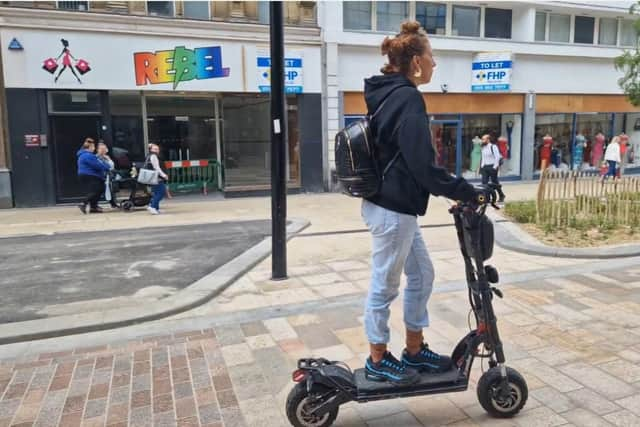

Until now, enforcement of the law against illegal e-scooter riders has been lacking. Police will often turn a blind eye to the e-scooter. However, recent pressure from local communities has led to more enforcement action being taken. Police Scotland recently launched Operation Armour where officers confiscated 15 e-scooters and 19 illegal e-bikes. 50 individuals were charged with offences including dangerous driving, no licence, no insurance, driving on footpaths, and failing to wear a helmet.
Over the past 12 months, the number of children attending Accident & Emergency in NHS Greater Glasgow and Clyde due to e-scooter or e-bike incidents has increased by more than 600%. E-scooter use needs to be legislated for - now.
The Motor Insurers’ Bureau (MIB), the organisation responsible for compensating people injured because of collisions with e-scooters, recently reported that e-scooter compensation claims have passed £110 million. Many claims the MIB have dealt with involved claimants who suffered traumatic brain injuries as well as complex fractures requiring surgery after being hit by someone riding an e-scooter. There needs to be a new pathway to legally ride and insure e-scooters, so both the rider and the public are protected in the event of an accident.
In 2022, the Conservative government said it was the Department of Transport’s intention to introduce a new Transport Bill to create a low speed, zero emission vehicle category that was independent from the cycle and motor vehicle categories. We still do not have that Transport Bill. Now, more than ever, e-scooter use (and other powered transporters) must be put on a proper legislative footing. Until then, their popularity will grow, accidents will keep happening and the public will be at risk. It’s time to end the Wild West era when it comes to e-scooters.
Thomas Mitchell is a Partner, RTA LAW LLP
Comments
Want to join the conversation? Please or to comment on this article.