
Scottish budget: Business leaders say support measures do not go far enough
“Given the extent of the increases small businesses are facing, with rises of up to 400 per cent, this is effectively a drop in the ocean” – Guy Hinks, FSB Scotland
Business leaders welcomed measures outlined in the Scottish government’s budget to help firms facing substantial hikes in non-domestic rates, but warned that some elements would require “closer scrutiny” while the hospitality sector said they did not go far enough.
Responding to Finance Secretary Shona Robison’s statement to parliament, Catherine McWilliam, nations director at the Institute of Directors (IoD) Scotland, said the measures came at a time when business confidence north of the Border remains “fragile”.
“IoD Scotland has consistently highlighted the impact of fiscal drag on both business leaders and consumers, while skills shortages remain a key issue for members,” she said. “[This] announcement will go some way in alleviating these concerns, but with an election on the horizon, our members are clear that stability is vital in long term planning.
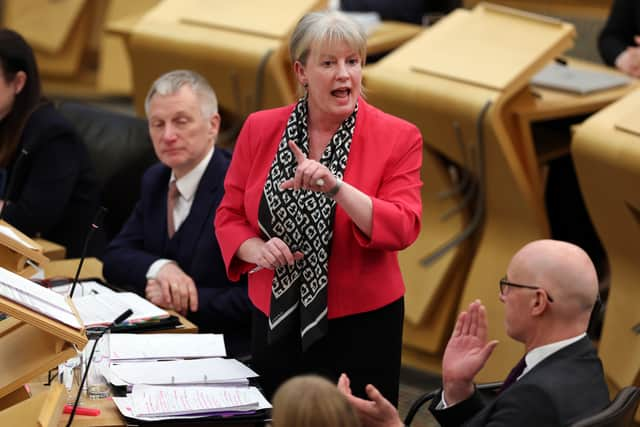

“We welcome many of the Finance Secretary’s announcements, and while some elements will require closer scrutiny, the commitment to further funding for colleges, reduction of business rates and increase to income tax thresholds is a step in the right direction.”
Robison announced that “in response to concerns from the business community”, which is facing a rates revaluation in April, she would reduce property rates for businesses while providing relief worth some £184 million over the next three years. There will be 15 per cent business rates relief in 2026-27, worth £138m over three years for retail, hospitality and leisure premises.
Meanwhile, the small business bonus scheme, which removes rates from around 100,000 small businesses, will be continued for three years. The SNP Finance Secretary noted that as a result of her measures, 96 per cent of retail, hospitality and leisure businesses will pay zero or reduced rates.
Further support could come for pubs and perhaps other areas of the hospitality sector as a result of a business rates U-turn by the Labour government at Westminster. Those plans have yet to be disclosed but they are likely to have implications for business rates in Scotland, which are a devolved matter.
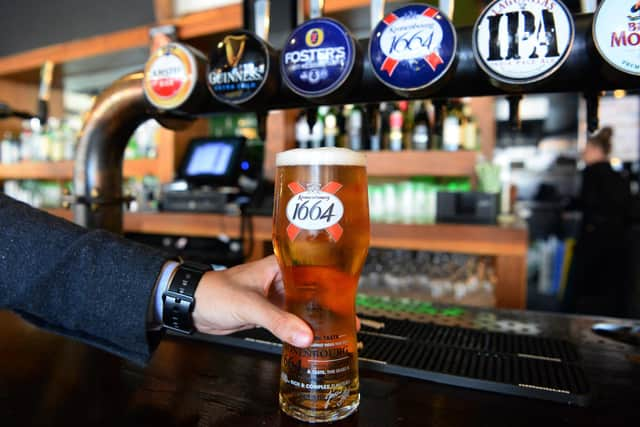
Scottish Hospitality Group director Stephen Montgomery expressed disappointment that the Scottish budget had not helped Scottish licensed hospitality more, with a “heavier burden falling on the larger premises yet again”.
He said: “We do welcome the Scottish Government commitment to progress the independent review of rates methodology for licensed hospitality ‘at pace’ and we look forward to playing a major part in that review.
“With the UK government poised to U-turn on their business rates relief package for hospitality, the Scottish government have pledged and committed to do the same, and pass any consequential resources to Scottish hospitality. We would have preferred if the Scottish government showed leadership rather than waiting for the UK to U-turn first, but we will work with government to improve this package.”
UKHospitality Scotland said the measures announced in the budget failed to go far enough, with hospitality businesses still left facing bill increases worth thousands of pounds.
Leon Thompson, executive director of UKHospitality Scotland, said: “[The] budget has not sufficiently addressed the challenges that hospitality businesses in Scotland face, and the majority will still be paying higher business rates bills in April.
“While the reduction in the poundage is positive, it does not offset significant increases in business revaluations and the loss of 40 per cent relief,” Thompson added.
“The increases to rateable values, often in excess of 100 per cent, bear no relation to the trading environment hospitality businesses are operating in and they cannot trade their way to paying higher taxes.
“The package of reliefs put forward to help mitigate the impact of these increases is merely a sticking plaster to cap eye-watering bills. The increases facing our local pubs, hotels, restaurants and cafes over the next three years are still staggering.
“The commitment to pass on any additional funding from further support for the sector on business rates in England is crucial, and I hope the Scottish government will move swiftly to use those funds, should that support be announced in England.”
There was a similar downbeat tone set by the Federation of Small Businesses (FSB) in its response to the budget, with the organisation noting that for many firms, rates are one of the largest fixed costs they face.
Guy Hinks, chairman of FSB Scotland, said: “We recognise that reducing the poundage rate used to calculate final bills and extending other reliefs will protect local firms from some of the potential increases.
“However, given the extent of the increases small businesses are facing, with rises of up to 400 per cent, this is effectively a drop in the ocean. Returning the small business bonus scheme to its previous levels of relief, for example, would have offered much more support to smaller firms. Instead, we’re now looking at introducing further complexity into an already difficult to navigate system, for limited benefit to those facing yet another increase to the cost of running their business.”
ScotlandIS chief executive Karen Meechan said it was disappointing to see “barely any mention” of targeted support for Scotland’s tech sector in the Finance Secretary’s speech.
“The sector already contributes £6.87 billion to Scotland’s GVA [gross value added] and has an enormous amount to offer Scotland’s future prosperity. But we need focused support to realise this potential,” she added.
“As we head into this year, ScotlandIS will continue to push for change and keep an open dialogue with the Scottish government to develop policies that genuinely support innovation and growth within our sector.”
Comments
Want to join the conversation? Please or to comment on this article.