
Scotland’s Mid Market braced for ownership change wave
Domestic and international forces are changing where owners of growth driving Scottish firms lies


Succession, overseas buyers and tax pressure are reshaping control of Scotland’s £7.8bn mid-market economy
The Mid-Market 200 companies featured in this edition generate £1.12 billion in EBITDA, employ more than 42,000 people across engineering, food production, logistics, construction and specialist services.
With a median EBITDA margin of 10.7 per cent, this is a disciplined, cash-generative part of the economy that anchors regional employment and supply chains.
However, ownership of that backbone is shifting.
A generation of founders is approaching succession and capital gains tax deadlines are accelerating deal timetables.
International acquirers are targeting technically capable, export-led Scottish firms that offer value relative to global peers.
David Beveridge of Macdonald Henderson believes the movement is structural.
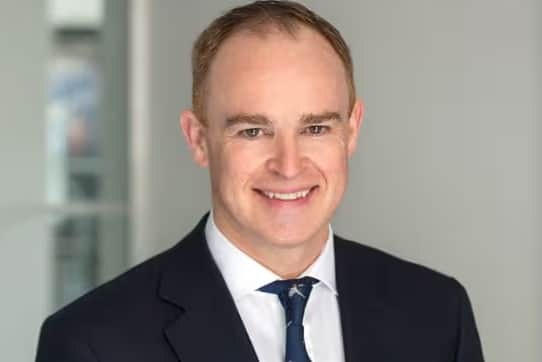
“There is a movement which could be described as the tectonic plates shifting,” he says. “We are seeing very quietly, in most cases, a big shift in the ownership of family Scottish companies.
“A lot of founders have built significant value over decades and succession is now front and centre. That is creating opportunities for buyers, including overseas buyers, who see well-run Scottish businesses as attractive assets.”
Over the past three years, most acquisitions by companies in the 200 list have been bolt-ons and consolidations, signalling steady expansion, yet the direction of control is changing.
This edition explores the issue of who will own the next generation of Scotland’s industrial core and where will strategic decision-making ultimately sit?
The answer will shape not just deal flow, but the long-term resilience and competitiveness of the Scottish economy.
Comments
Want to join the conversation? Please or to comment on this article.