
Scotland's lucrative property tax sits on narrow foundations
A levy that leans on a small number of expensive homes is vulnerable, writes Dr John Boyle
When Land and Buildings Transaction Tax (LBTT) replaced Stamp Duty in Scotland in April 2015, it raised just £7 million in its first month. Eleven years on, the bill for April 2026 came in at nearly £56m.
In the year ending June 2026, residential LBTT brought in a record £760m, up roughly 13 per cent on the previous year, as a modest rise in sales combined with rising prices.
The reason is simple. The bands have barely moved since 2015, but house prices have not stood still. When the tax was introduced, just over half of sales cleared the £145,000 threshold. Today around 70 per cent do, the highest share since LBTT began. Seven in ten Scottish buyers can now expect a bill.

This fiscal drag bites harder further up the market. More than a third of sales now exceed £250,000, up from 16 per cent in 2015, and those transactions generate around 95 per cent of revenue. Most strikingly, the 1 per cent of sales above £750,000 account for about 22 per cent of the entire take.
Second homes are a growing contributor too. The Additional Dwelling Supplement (ADS), paid on buy-to-let and second-home purchases, has climbed from 4 per cent in 2022 to 8 per cent from December 2024. ADS now makes up a third of residential LBTT revenue, up from 27 per cent a year ago.
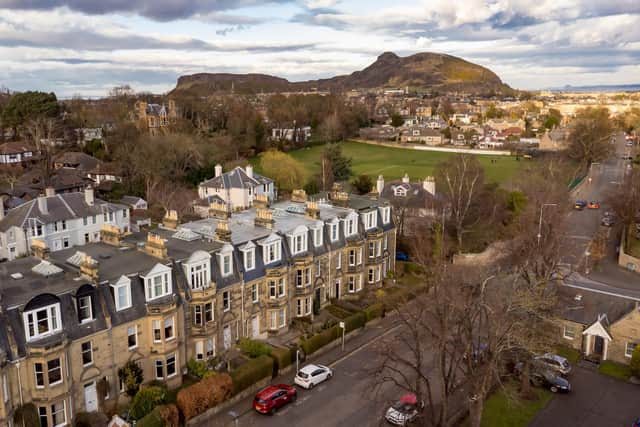
Geography matters just as much. Edinburgh raised just over £95m in LBTT in 2025/26, well ahead of Glasgow’s £62.5m. Five of the ten highest-yielding postcode districts are in the Capital, led by EH10, which takes in Morningside. There, the average buyer paid around £26,000 in tax and the district generated £17.5m. Three more of the top ten are in Greater Glasgow, with St Andrews and North Berwick completing the list.
So far, so healthy for the public purse. But a tax that leans so heavily on a small number of expensive homes in a few places is vulnerable. Any cooling in the prime market would hit receipts disproportionately.

That matters as new property taxes arrive. Two higher council tax bands, the so-called ‘mansion tax’, are due in April 2028. On current proposals, they will raise modest sums.
If they dampen prime sales, the net gain to government could be smaller still, or even negative once lost LBTT is counted.
Talk of a land value tax at Westminster under the new Prime Minister is unlikely to translate into anything this parliament, and there is no sign of such radical reform in Scotland.
What the Scottish government should do is commission a proper behavioural analysis of how buyers respond to LBTT, so it can optimise the take without depressing the market.
With revenues at record highs, there may seem little urgency. But this is a tax take resting on small supporting pillars, and pillars can crack.
Dr John Boyle, Director of Research and Strategy, Rettie
Comments
Want to join the conversation? Please or to comment on this article.