
Founders need to be on the side of the angels
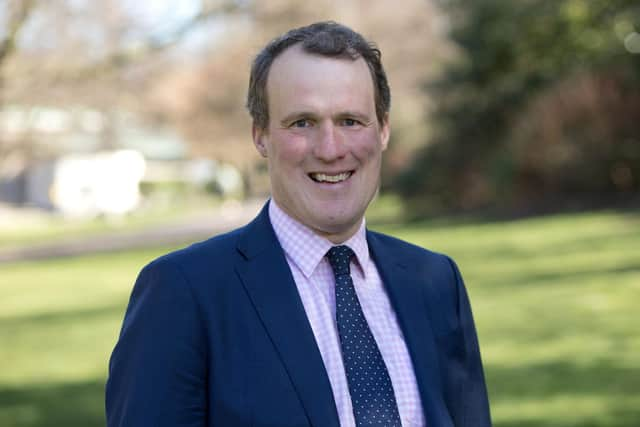
Alastair Smith says startups need a sound legal structure to attract investment
The creativity, energy and innovation in Scotland’s technology sector never fails to impress me.
Ideas never appear to be an issue. Securing the investment to bring them to life, though, is often a major challenge for creators and entrepreneurs.
That’s where the impact of Scotland’s angel investors is important.

Across the tech – and other – sectors, their investments in fledgling companies are making a significant difference to the scale of success.
Thousands of jobs, and economic growth, have been unlocked by the ability of angels to recognise potential and back that financially at the earliest stages.
Recognition and readiness are, however, different things. Indeed, greater understanding of the two could undoubtedly further enhance what is already a considerable angel investment scene across Scotland.
One area where angel investors can make an increasing impact is in creative technology. I am currently involved in Abertay University’s DARE Academy, a tremendous showcase for the emerging talent within Scotland’s vibrant, economically significant and internationally recognised gaming industry.
This initiative gives entrants the opportunity to thrive technically and receive valuable industry support and mentorship.
It also, critically, develops the wider business skills that can define success. That ranges from understanding the legal steps required to protect creative rights, to knowing what they need to consider when working with creative partners, contractors or future employees.
It helps underpin the message that preparing for investment is about far more than a strong idea or pitch deck, a fact which can be all too easily overlooked in the excitement of the creative process.
For entrepreneurs, particularly in the tech and creative sectors, success often depends on how well the legal jigsaw fits together for investment that can take the initiative to the next level.
As part of Glasgow Tech Week next month, we will be bringing together corporate, employment and IP expertise to highlight some of the issues that we often see, to help tech leaders understand how investors assess legal readiness – and how businesses can prepare for their questions.
My experience is that the entrepreneurs and companies which enjoy success in finding the right funding are those who have carefully considered their structure and shareholder agreements, who have the fundamental building blocks surrounding intellectual property in place and whose employee/contractor arrangements are sound and appropriate.
Only when all of those elements are in place can businesses consider themselves “investor ready”.
With a sound legal structure behind them, entrepreneurs can then seriously analyse some of the more emotive points that angel investment raises. They can, for instance, consider how much of their company’s shareholding they may be willing to give up in order to secure investment needed to take the next step to develop their technology and commercial offering. They also need to consider whether the angel investor has the right contacts or expertise, in addition to the cash injection.
The good news is that the appetite for investment in Scottish companies remains strong among those willing to back promising startup and emerging technology businesses.
It was a fact highlighted by the British Business Bank’s most recent Small Business Equity Tracker, which showed the nation defied the general UK trend with equity investment value rising by 74 per cebt during 2025.
Presented with the right proposition, angels are waiting in the wings, ready to invest. The question founders must ask themselves is whether they are ready for them.
Alastair Smith is a Partner at Lindsays