
What can I do if I can’t afford my energy bill?
The Middle East war has many of us worried about paying to power our homes, writes Martyn James
Since the conflict in the Middle East began, there’s one subject I’m consistently asked about by readers: energy bills.
It’s clear from all the research and data available that millions of people are struggling financially – and for many, the prospect of bills so high that the government has to intervene again is a deep concern.
While I can’t predict what the future will hold, if you have a fixed energy bill you’re protected from price rises for the duration of your contract.
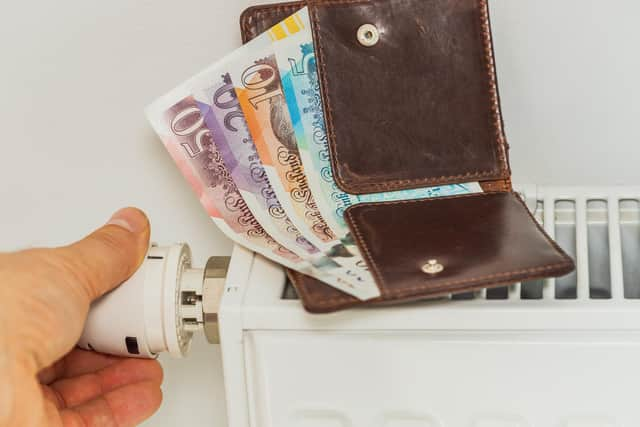

However, two-thirds of energy users – a whopping 35 million according to regulator Ofgem last year – are on “standard variable rates”. That means that as the wholesale cost of energy rises, so do your bills.
Ofgem introduced the “energy price cap” which caps the maximum amount of money we pay for each unit of gas or energy we use at a certain price. The current rate means the average bill is £1,641 per year until 30 June 2026 – when a new, potentially higher cap will be introduced.
This means you have a little time to have a look at your finances and work out the best way forward. It’s possible to “fix” a deal (check out my online guides for more info) that are cheaper or around the current price cap. But sadly, energy firms are rapidly pulling the best deals. So now is the time to check the comparison sites to see if you can find a deal that works for you.
If you are concerned that you won’t be able to pay your bills, now is the time to seek help. Here’s how.
How to get help
Ofgem has a page on their website that helpfully lists your options, grants and other schemes. You can also find a wide selection of energy advice on the websites of consumer organisations like Citizens Advice and Which?
Most importantly, you don’t have to be on benefits to get help reducing your bill from your energy supplier. If the money you have coming in to your bank account is less than what’s going out, you’re in significant financial difficulties. If you don’t have enough cash to cover an emergency, you could also meet this definition and can ask the business for help.
Before you contact the energy firm, you’ll need to put together a brief overview of your finances.
Write down the money you have coming in and what you pay out – and the amount of cash you are left over with. The energy firm is allowed to ask you for this so they can figure out the best solution to your situation. Make sure you note down if you are worried about losing your job, or a source of money. Have a think about your home situation too.
If you aren’t sure how to get started, the free debt charity StepChange has a budget planner and template on its website (and can help you get control of your finances if you are in debt too).
According to Ofgem’s regulations, the energy firm should come up with a tailored plan to meet your needs. Ofgem says the energy company should consider the following options:
- A review of your payments and debt repayments
- Payment breaks or reductions
- More time to pay
- Access to hardship funds
- Advice on how to use less energy
- The option to go on the Priority Services Register – a free support service for a wide range of people struggling or who need support
Most of the energy businesses offer energy or heating grants for their customers. As with help for people in financial difficulties, you’ll need to have the details of your budget and financial situation to apply.
If you feel that the business is not listening or helping – or they are making things worse – then you can take your complaint to the Energy Ombudsman for free.
Make it clear to the business that you expect them to take no action against you while the matter is looked into by the ombudsman.
Martyn James is a leading consumer rights campaigner, TV and radio presenter and journalist. Read more from him at this link
Comments
Want to join the conversation? Please or to comment on this article.