
We all love our pets but no one loves vet bills
Our animal friends give us so much, so be ready for when they need help with health
Of all the subjects I write about, the cost of looking after pets always prompts the biggest response.
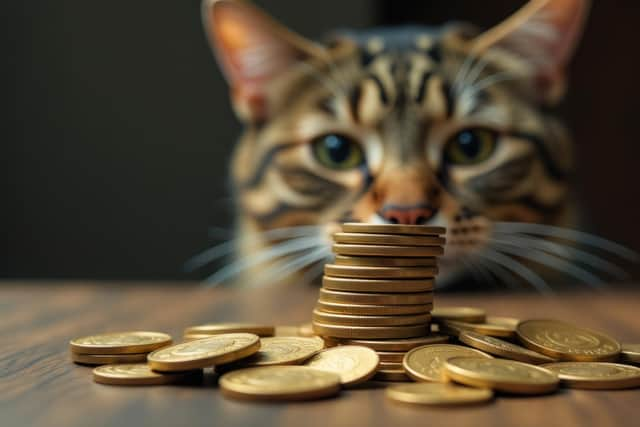
However, if your pet falls sick, it can be very expensive. The Competition and Markets Authority has been investigating the multi-billion pound veterinary industry and found evidence of inflation-busting prices, with charges of over £10,000 for some treatments. Other investigations revealed some vets were being pushed by their bosses to carry out unnecessary treatments.
The best thing you can do to protect your pets is to take out pet insurance. I’ll cover that in a future column. But for now, here’s how to save some money.

How do I cut my veterinary bills?
Some pets will prove to be more expensive to look after than others, so if you are considering buying a pet, do some research first.
Pugs are an example of a breed of dog that suffers from a range of health conditions as a direct consequence of the way they have been bred. This means pug owners will need to take out both a good lifetime pet insurance policy and save some money for other costs too.
However, most people pick a pet, then figure out how to protect it: so start by getting to know the vets in your area. Introduce yourself informally, find out about registering and ask for a few prices covering basic health issues, like vaccinations and microchipping – then compare against other vets in your area. You’ll probably find that you are given a differing range of prices. But who says you have to be loyal? You may want to keep the vet closest to you handy for emergencies, but a cheaper one for your main visits.
Once you’ve vetted your vet, ask them if they accept payments in instalments just in case you incur a large bill that isn’t covered by your pet insurance. I’d also strongly recommend asking about treatments that your pet might be more likely to need further down the line – and any preventative measures you can carry out.
Many vets have plans that cover things like injections, worming, vaccinations and more that can be split over a 12-month period.
Of course, the best way to reduce costs is by carrying out a few preventative measures yourself. Brushing your pet’s teeth can help prevent many wider problems beyond tooth and gum disease. If the weather is too hot, take measures to ensure your pet is not burned or distressed. And don’t let it get too fat!
What if you can’t afford vets’ bills or pet insurance?
If money is tight and you can’t stretch to a top-rated insurance policy, buy the best you can afford. I’d recommend putting aside some extra money each month in a savings app or account to cover unexpected bills. You can set up an online account easily and savings interest rates are pretty good at the moment, too.
There are vet advice lines and apps out there such as FirstVet and Joii, which can be a good way to establish if non-emergency treatment is needed. There are also online pet pharmacies which can allow you to obtain drugs much cheaper than the ones on offer via the vet. As with online pharmacies for humans, you’ll need to do your research and make sure you understand what you are buying. Be honest with a vet about this, you don’t want to make a medication mistake.
The RSPCA may be able to offer advice and means-tested support if you need help with your pet’s treatment. The Blue Cross runs pet food banks too (do donate if you can afford it). And many charities supporting older people or those who may be more vulnerable can help you collect the items you need too.
Martyn James is a leading consumer rights campaigner, broadcaster and journalist, visit this link
Comments
Want to join the conversation? Please or to comment on this article.