
Back strokes of genius
When it comes to wild swimming, water babies and landowners alike have responsibilities, says Stephanie Hepburn
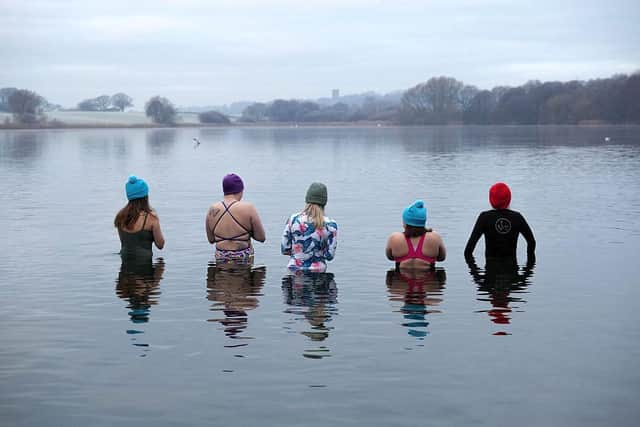
Wild swimming has seen a surge in popularity in recent years, and Scotland is blessed with many ideal places to take the plunge.
Responsible wild swimmers know how to reduce the risks that may be involved. Even so, the National Water Safety Forum reports that there were 39 accidental water-related fatalities in Scotland in 2025.
And just as swimmers need to be aware that there may be risks involved, occupiers of rural land need to be aware of their legal duties in this area.

In Scotland, the starting point in this respect is the Occupiers’ Liability (Scotland) Act 1960. An ‘occupier’ is the person with control of the land – which may be the owner, a tenant, or another party in occupation such as a contractor.
The duty owed is to take such care as is reasonable in the circumstances so that someone entering the land does not suffer injury or damage. But what is ‘reasonable’? The answer will always depend on the particular facts, and can be the key point that decides the outcome of legal disputes.
The 1960 Act explicitly excludes any obligation on an occupier in relation to risks willingly accepted by the visitor, which may apply to inherent risks of pursuits such as wild swimming. And the courts also recognise that certain risks are obvious, and that adults engaging in activities such as swimming or diving may be taken to accept the dangers.
An English case, Tomlinson v Congleton Borough Council in 2004, is often cited in Scottish cases as authority that occupiers are not expected to protect people from risks that are plain to see. A young man had been seriously injured after diving into a lake in a country park: the court held that the danger arose from his decision to dive into shallow water, and that because the dangers were perfectly obvious, there was no duty to warn or take steps to prevent the claimant doing so.

However, every case will turn on its own individual facts and circumstances.
Rural landowners and occupiers should carefully consider whether they owe any legal duties to people who enter their land to swim in open water. Of course, not every risk associated with water is obvious: concealed drops, unstable banks, underwater obstructions, damaged structures, or misleading signage or access points, for example.
If a particular spot has the potential to be used for wild swimming, it is sensible to consider how people are getting there, whether there are any hidden or unusual hazards, and whether signage, maintenance or other proportionate steps are needed.
Risk assessments will enable occupiers to assess what obligations they may owe, and they should also keep a clear record of management decisions, as this may be valuable if an incident later gives rise to a complaint or claim.
Scotland’s lochs, rivers and reservoirs are spectacular features of its natural environment. When individuals and occupiers all understand their responsibilities and act accordingly, everyone can benefit from them.
Stephanie Hepburn is Head of the Rural Disputes team at Shepherd and Wedderburn
Comments
Want to join the conversation? Please or to comment on this article.