
Exclusive:How dance classes for older people could help society as a whole in joined-up approach to culture and the arts

Wales’ Future Generations Commission has recommended the creation of a culture bill
Scotland should take inspiration from Wales' "progressive and cross-disciplinary" approach to culture, arts network Culture Counts has claimed, citing examples such as dance classes for older people that help prevent falls.
The organisation, which is made up of arts, heritage and creative industries organisations, has renewed calls for a Culture Act for Scotland.


Culture Counts, which is is hosting an arts hustings on Thursday night featuring a panel of politicians from the six main political parties involved in the Holyrood election, said Wales' Senedd - the Welsh parliament - had taken a much more comprehensive approach to enabling culture to have a positive impact across a range of policy areas.
A Green Paper consulting on the potential for a culture act in Wales has been published by the Senedd this week.
Culture Counts said a culture act would establish the framework Scotland needs to facilitate cross-portfolio collaboration, bringing the public sector, communities, arts and culture organisations and health care professionals together.
Co-director Joseph Peach said: “Scotland should take inspiration from the progressive and cross-disciplinary approach Wales is taking to culture. The Future Generations Commission recognises the vital role culture plays in supporting national wellbeing. Scotland must follow suit and adopt a more comprehensive, cross-portfolio approach to realise the untapped potential of the culture sector.
“From mental and physical health to social polarisation, culture is proven to support better outcomes and deliver a better return on our public investment.”
Mr Peach said a culture act in Wales and Scotland would provide “maximum policy support” for the sector.
He pointed to work in Wales which had found culture being integrated into other policy areas was positive.
He said: “I think it's really powerful that the recommendation is being made by the Wellbeing of Future Generations Commission. To have a public body like that calling for increased cultural legislation to provide all of the benefit that can be provided is really powerful and really positive.”
A report by the Arts Council of Wales found that every pound of arts council money delivered a £11.08 return on investment in terms of the impact on health, wellbeing and productivity benefits.
The report highlighted specific case studies, including a dance for strength and balance programme for older members of the community, which it said had saved the health service around £5m per year through the prevention of trips and falls.
It also concluded that reducing the number of GP appointments related to adult mental health through greater participation in the arts could save the NHS in Wales around £17m per year.
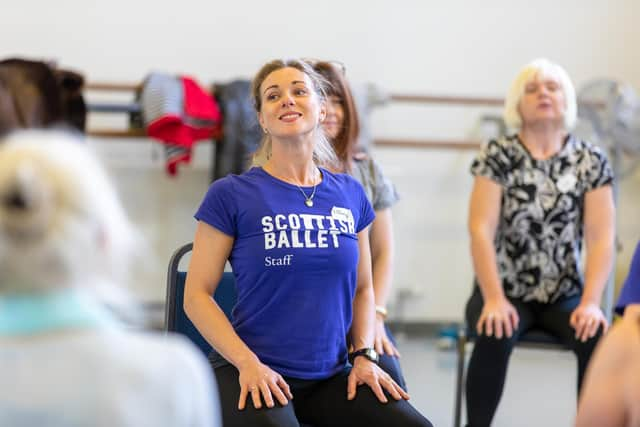
Mr Peach said: “There's a lot of momentum about the potential role of Arts in Health as a preventative spend mechanism. It's things like creating the kind of framework for collaboration between those policy areas and this sort of thing, but also looking at more local level frameworks for collaborating and designing and delivering cultural services.”
Mr Peach pointed to legislation brought in in Finland which creates links at national and local level between different policy areas, as well as Lithuania, where comprehensive culture legislation was introduced in 2024.
He said: “It really places thinking about culture in almost every government department in some way.
“It’s about how you get culture at the table. Because I think [with a bill] the outcome could be very different from if at the end there was a bit of money left over and a feeling that ‘we can maybe do a bit of culture stuff’, which is quite often the way in which it happens.”
Separate research, carried out in 2024 by the UK Government’s Department for Culture, Media and Sport by Frontier Economics, found that cultural engagement improves health and wellbeing across all age groups.
Daisy Fancourt, professor of psychobiology and epidemiology at University College London, who led the research, said: “Alongside diet, sleep, exercise, and nature, art stands as a vital - but often overlooked - fifth pillar of health.
"Investment in culture isn't a "nice to have", it generates substantial and measurable returns through improved health and wellbeing, reduced NHS and social care spend, and economic productivity.”
She added: "A Culture Act for Scotland could provide a statutory foundation to unlock cross-portfolio thinking and benefits.“
Comments
Want to join the conversation? Please or to comment on this article.