
Inside the new £7m Victorian-era Edinburgh Festival Fringe headquarters

The £7 million home for the Edinburgh Festival Fringe is due to be up and running for the start of 2026
It has been a cornerstone of the cultural life of Scotland's capital city for nearly 80 years.
Now the Edinburgh Festival Fringe is to finally get an official archive under plans to create a new multi-million pound home for the event.
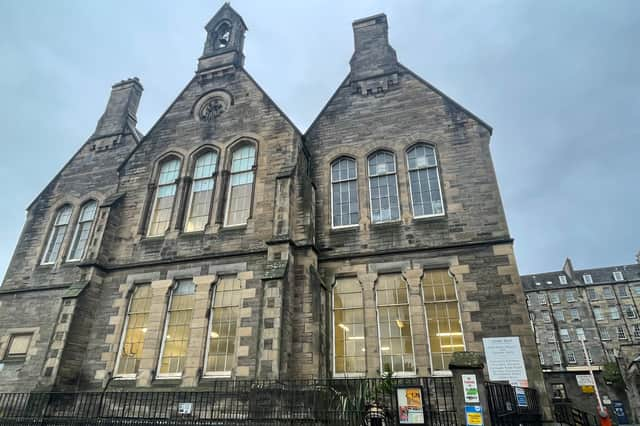

The story of what started as an act of rebellion and became the world's biggest cultural celebration will be told inside a Victorian-era school building on Infirmary Street.
The archive and research library will be a centrepiece of the £7 million revamp of the B-listed building, which is being led by the Edinburgh Festival Fringe Society and funded by the UK government.
Artists, academics, industry organisations and community groups will be able to explore the history of the event, the big names who got their break at the festival and the key works which premiered at the Fringe.
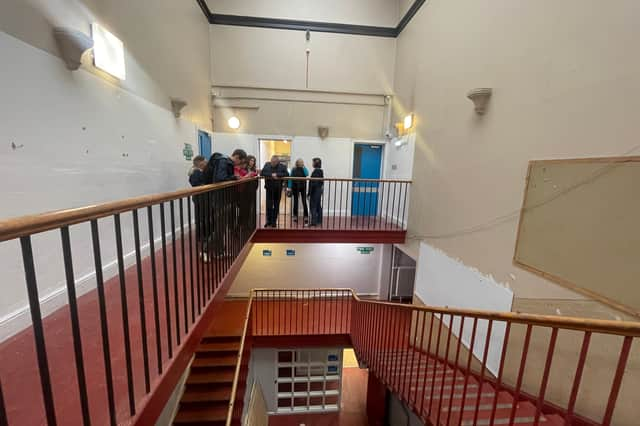
The walls of the B-listed building, which has two major staircases, will also be turned into exhibition spaces in the year-round arts hub, which will be known as "Fringe Central".
The Fringe Society, which has just secured access to the building after winning final city council approval for its project, has pledged to ensure it will be as open and accessible as a public library.
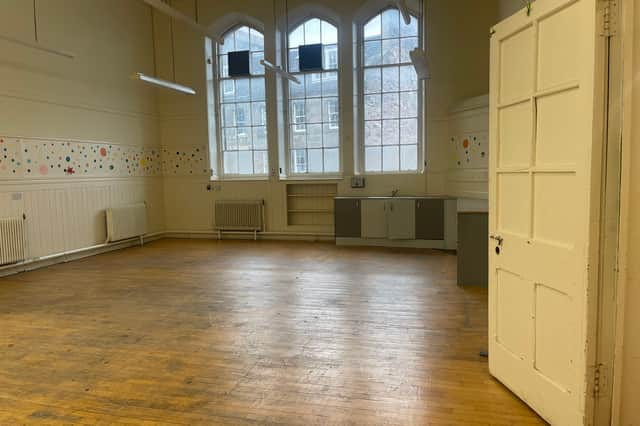
Hot-desk space and studios for rehearsals and workshops will be ring-fenced for the city's performing arts community throughout the year. The venue will become the Fringe's main hub for artists, media and industry delegates in August. The Fringe Society will share its new home with the Canongate Youth project, a long-term tenant in the building.
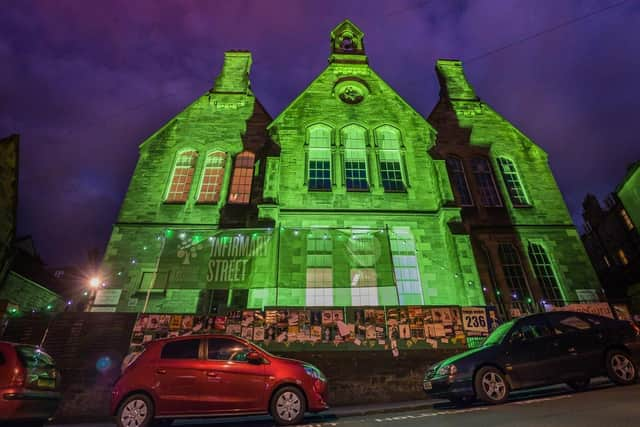
A new public garden will be created in the former playground of South Bridge School, which was designed by architect Robert Wilson. Dating back to 1885, the gothic-style building was last used as a school in 1983, but then became a community and education centre.
The council warned in 2020 the building was at risk of closure due to its declining condition. Negotiations with the Fringe Society over a potential long-term lease led to its plans being backed by the UK government in the 2023 Budget.
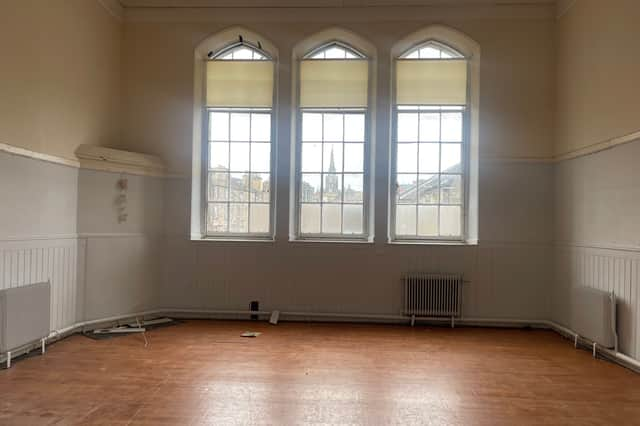
The origins of the Fringe can be traced back to 1947, when eight theatre companies who had not been invited to take part in the first Edinburgh International Festival decided to put their shows on anyway.
Shona McCarthy, chief executive of the Fringe Society, the art charity that has overseen the festival since 1959, said: "This project has been an aspiration for us for more than a decade and we've been talking about it publicly since we published our blueprint for the Fringe's future in 2017.
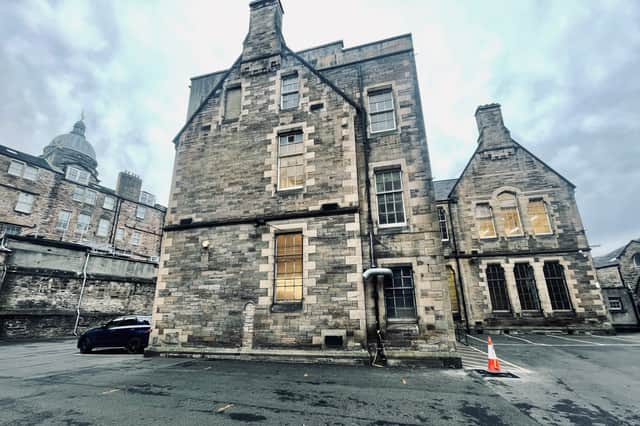
"After such a long time, it's hugely exciting to see the project finally being realised. Although we're a public-facing organisation, we've been based across three small, equally-dysfunctional medieval buildings on the Royal Mile.
"First and foremost, the project will allow the Fringe Society to be properly publicly accessible, which will be a massive shift for artists, audiences and our community partners.
"Everyone who has been coming to the Fringe regularly will know that we hire a space every year that becomes 'Fringe Central' - our support centre for artists, people supporting international showcases, media and visiting arts industry delegates.
"That 'home from home' for anyone who wants to be part of the Fringe will now be available all year round. It will be transformational for the services we can provide."
The new Fringe archive, research library and exhibition spaces will be complemented by the creation of an official online database where the history of the festival can be explored.
Ms McCarthy added: "There's actually nowhere in the city where you can find the stories of the Fringe. Even at its most basic, this will be a place for people to find out who has come through this festival and what has been happening over the last 77 years.
"The archive and exhibitions here will really give people an understanding of the back story of the festival. Audience members and participants who hold this festival dear will be able to feel in touch with the story of the Fringe in a very tangible way."
Deputy chief executive Lyndsey Jackson said: "As the charity responsible for supporting the Fringe and its open access principle, it's really important to us that this building belongs to the city.
"The doors will be open all day, every day, to anyone who wants to come in. We want people to use this building and think of it a bit like a library.
"We have got loads of wall space to tell stories about the Fringe. But we also want to really understand the history of the Fringe, bring some of it into a new archive and properly signpost it.
"We also want to hear new stories about the Fringe. We will be launching an archive and oral history to bring them into the building so they live here permanently.
"People are always asking different questions about the Fringe and they always have different ways of navigating the stories of the Fringe. Our job will be to facilitate as much access to the history of the Fringe as possible."
Work to transform the building will continue over the next 12 months, with the aim of the new hub being up and running by the start of 2026.
Ms Jackson said: "Structurally, the building is very sound. The good thing is it has never actually been closed since it was built.
"It's a beautiful square building that is cut into lots of little squares. Most of the work we will be doing will be taking our temporary internal structures that have been put in over the years.
"We will be restoring it back to its former glory, but will also be modernising it and future-proofing it through the principles of sustainability and accessibility. Our priority is to ensure its spaces are as functional, flexible and dynamic as possible.
"Looking to the future, we also want to really open up the space outside, which has so much potential as a new green space in the city centre. It gets around 16 hours of daylight, so we hope it will become a bit of a sanctuary."
Comments
Want to join the conversation? Please or to comment on this article.