
Mrs Burke and Mrs Hare by Michelle Sloan review: 'full of wisdom and compassion'
This highly readable novel succeeds in bringing a new perspective to the well-worn story of Burke and Hare, writes Joyce McMillan

Edinburgh is notorious as a city with two faces, one elegant, enlightened and outward-facing, the other dark, squalid and dangerous. It’s a dichotomy that’s etched into the very geography of the “precipitous city”; and its double identity is reflected in its literature, from James Hogg’s The Private Memoirs and Confessions of a Justified Sinner to Robert Louis Stevenson’s Strange Case of Dr Jekyll and Mr Hyde - notionally set in London, but shot through with that same Edinburgh antisyzygy.
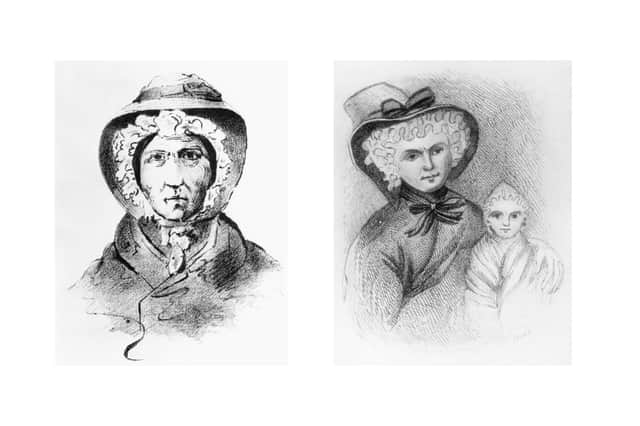

There are also, though, true stories that helped shape the myth and the image; and none more powerful than the history of William Burke and William Hare, two men living in poverty in the Edinburgh of the 1820s, who discovered a lucrative line of business in killing off poor vagrants and prostitutes around the slums and lodging-houses of the Old Town, and selling their bodies to the ambitious surgeon-anatomists of Edinburgh’s fast-rising medical establishment, who chose to turn a blind eye to the provenance of the bodies.
The story of Burke and Hare has itself spawned a whole industry of books, plays and articles; but Michelle Sloan’s new novel - her second, following her successful 2022 debut, The Edinburgh Skating Club - takes the unusual path of telling the story from the point of view of the partners of the two men. Neither Margaret “Lucky” Hare nor Nelly Burke was legally married to her “husband”; but both were arrested alongside their men when their crimes finally came to light, and later exonerated, partly because the court apparently struggled to believe that a woman could have anything to do with such crimes.

Sloan, though, takes a different view; and over 340 fast-moving pages, she constructs a gripping and sometimes downright enthralling tale in two parts, in which Lucky Hare becomes the ruthless and intelligent driving force behind the crimes, and Nelly Burke the troubled conscience of the group, drawn into their cult of violence only by her helpless passion for William Burke. In the first two-thirds of the book, the story of their killing spree in the Edinburgh of 1827-28 unfolds at breathless speed, and with a fierce understanding of how desperate poverty drove the underclass of the time towards crime, and how difficult it was, under those circumstances, to afford any pretensions to virtue.
Then in part two of the novel, Sloan follows the adventures of a young middle-class Edinburgh journalist, 20 years on, who sets out to discover what became of the two women; with the whole history finally tied together in a poignant motif to do with the tiny dolls found buried on Arthur’s Seat in the late 1830s, and now held in the National Museum of Scotland. Sloan’s narrative in both episodes is pacey and driven, yet almost lyrical in its vividness, conjuring up the teeming life of Britain’s urban slums in the age before government - under pressure from countless campaigns and social movements - began to intervene to protect life, prevent disease, and raise working people up from the degradation described here.
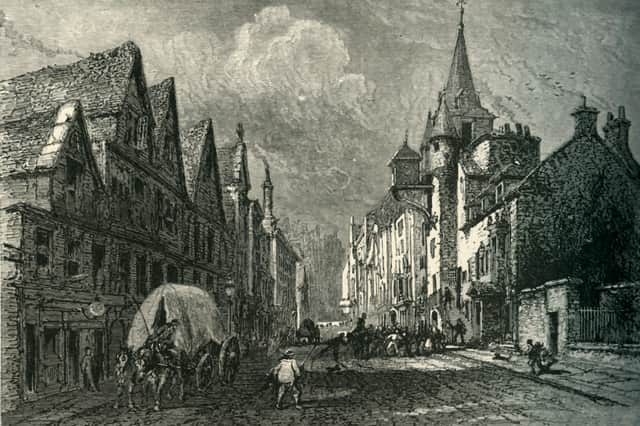
Most strikingly, she also offers a telling insight into the attitudes to other human beings bred by such a brutal system - the contempt for human life that justifies itself by morphing into whole systems of belief about the inferiority and worthlessness of its victims. She is clear-eyed about the privilege that frees her young journalist, Duncan, to take a more enlightened view.
And movingly, she is also in awe of the fundamental decency she celebrates in the novel’s vivid prologue; the respect, compassion and creativity of those who - under all the pressures of history - still strive to do right by the living and the dead, in a brilliantly readable novel that succeeds in bringing a new perspective to the crowded field of Burke and Hare literature, and is full of wisdom and compassion, as well as a deep, loving knowledge of Edinburgh itself, in all its complex moods.
Mrs Burke and Mrs Hare by Michelle Sloan, Polygon Books, £9.99
Comments
Want to join the conversation? Please or to comment on this article.