
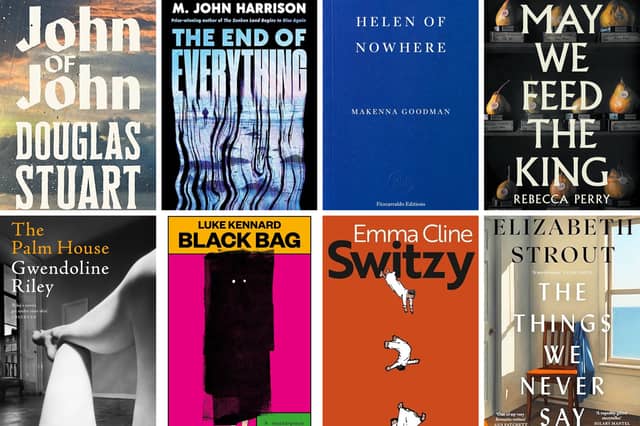

The Booker Prize, initially named after sponsor company Booker, McConnell Ltd, was established in 1969 has become one of the world’s richest literary awards.
Previous winners have included Iris Murdoch, William Golding, Salman Rushdie, Kingsley Amis, Peter Carey, Pat Barker, Margaret Atwood, Yann Martel, and Hilary Mantel.
Originally it was only open to novels written in English by Commonwealth, Irish, and South African (and later Zimbabwean) authors, but in 2014 was opened up to all English-language fiction books.
This year’s longlist, the so-called ‘Booker’s Dozen, has now been announced, chosen by the 2026 judging panel, chaired by celebrated classicist, writer and broadcaster Mary Beard, alongside award-winning poet, writer and educator Raymond Antrobus; musician, writer and broadcaster Jarvis Cocker; journalist, editor and critic Rebecca Liu; and Booker Prize-shortlisted novelist, poet and essayist Patricia Lockwood.
The longlist transports readers from a hospital in Mexico City to the Kent seaside in a post-apocalyptic Britain to an assisted suicide clinic in Zurich, from the barren hillsides of the Outer Hebrides to the criminal badlands of West Dublin, from Kingston, Jamaica in the late 1980s to coastal Massachusetts in the run up to the 2024 US election, from an unnamed medieval court to a prison cell that defies explanation.
The shortlist will be announced on 22 September, before the winner is announced at a ceremony on November 9.
Here are all 13 novels in the running - and what they are about.
Make sure you don't miss a moment of breaking news from across Scotland by signing up to our free newsletter here.
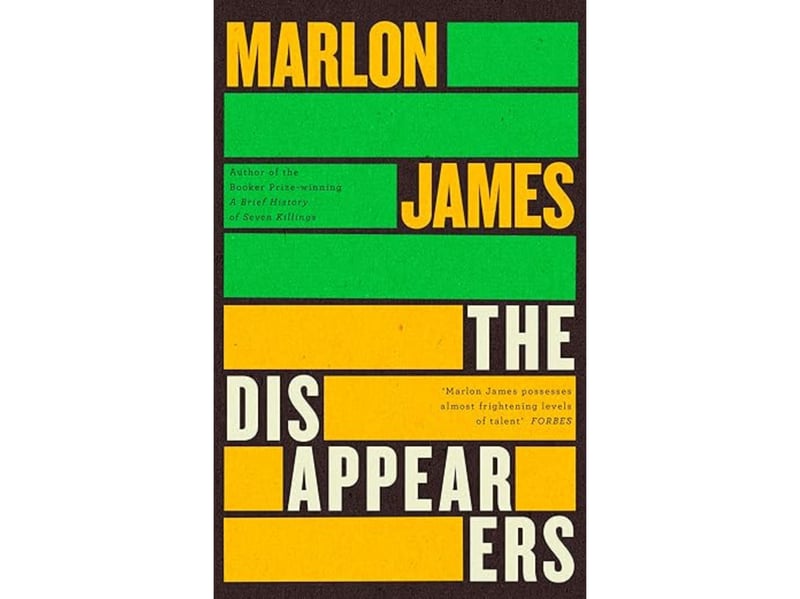
5. Marlon James: The Disappearers
"When eight gay men meet for the first time, in Kingston in 1988, answering the casting call for an openly queer play, they are already taking a big risk. But that is nothing compared to what rains down on them when a mob descends on one of their rehearsals. By the end of this night, one man is dead, all are injured, and two subsequently disappear. As the survivors heal, each man finds he must confront the bigotry and homophobia that the attack laid bare. Some try to forget; some embrace their rage; and some simply vanish – but all are forever scarred." | Contributed
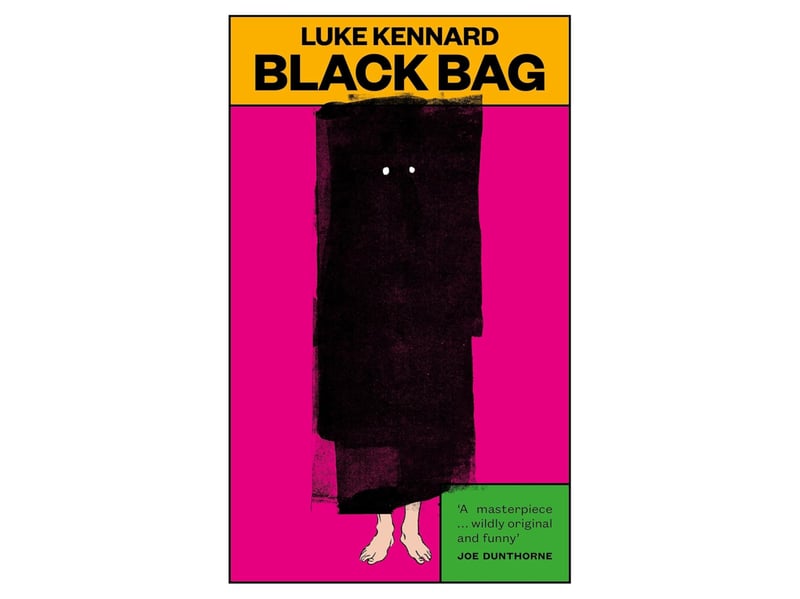
6. Luke Kennard: Black Bag
"A penniless and out-of-work actor picks up a job working for Dr Blend, a university professor who is conducting a psychological experiment. How will Dr Blend's students react to someone zipped into on oversized bag, sitting at the back of the lecture hall over a series of autumn term lectures? The role, eagerly accepted, soon has unexpected consequences. A professor of post-humanism develops research questions of her own, in particular can you love someone secreted away inside a black bag? Meanwhile, the actor's childhood friend and flatmate forms a vision for monetising this new situation..." | Contributed
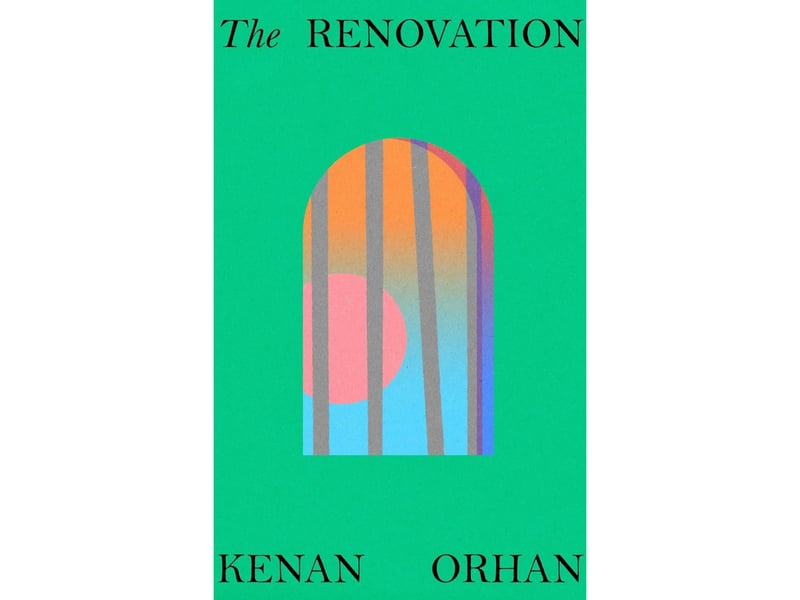
7. Kenan Orhan: The Renovation
"Dilara’s father is disappearing. He has dementia and the disease steals a little more of him each day. Dilara has persuaded him to move in with her, hiring builders to adapt her apartment in preparation, but when the renovation is complete she discovers a big problem. Instead of a new bathroom, the builders have installed a Turkish prison cell. At first she is outraged. There has surely been some mistake. Dilara’s family are exiles – they left Turkey many years ago and have never been back. The last thing she wants is a piece of her estranged homeland appearing uninvited in her new home. But as the weeks pass, her indignation gives way to curiosity." | Contributed
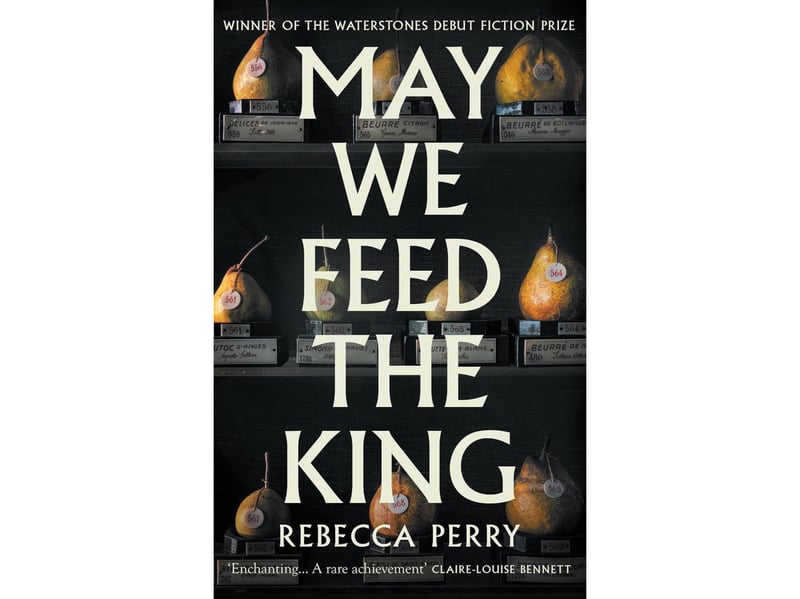
8. Rebecca Parry: May We Feed The King
"She is a curator, who spends her time dressing the rooms of historic buildings to bring them to life. But in the lush private quarters of a medieval palace, she finds herself so transfixed by the reign of an almost-forgotten King that the edges of her life begin to blur. He is a reluctant ruler with no hunger for power, rushed to the throne after the untimely deaths of his older brothers. But it isn't long before whispers begin to fly around the court. And with the growing belief that the King is not fit for the throne comes the idea that another might rule in his stead." | Contributed